Welcome to EcoRoofing MN: Minnesota's Roofing Specialist!
  • Home
  • Roofing
    • Roofing Services
    • Storm Damage Reparation
    • Products
  • Financing
  • About
    • Team
    • Philanthropy
    • FAQ
    • Blog
  • Gallery
  • Contact
  • Privacy Policy

Blog

The Benefits of Attic Insulation During Roof Replacement

9/29/2023

1 Comment

 
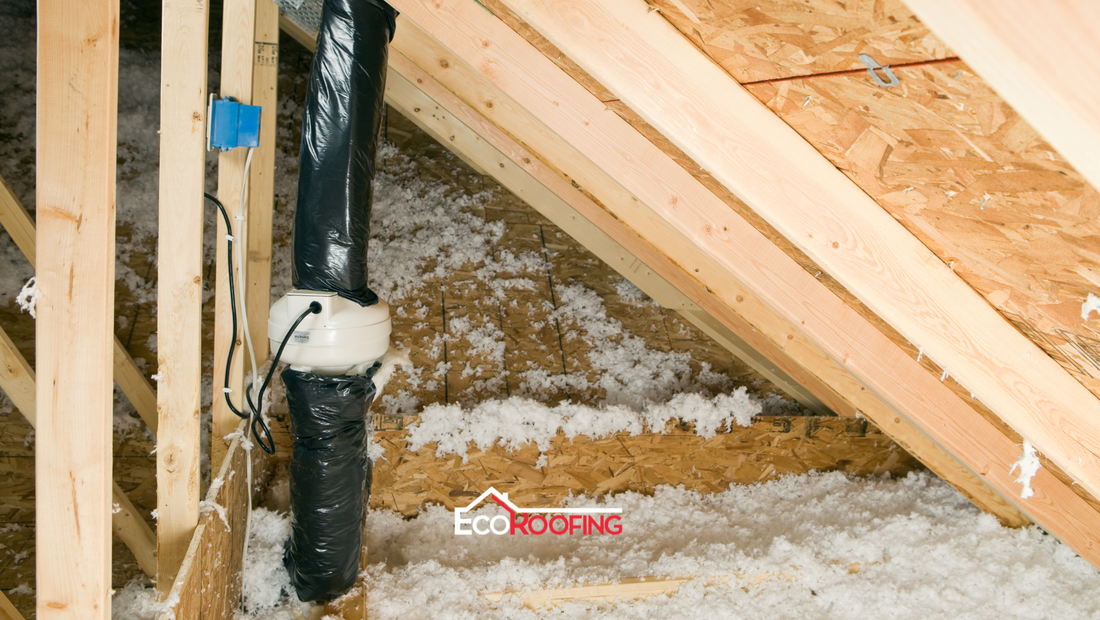
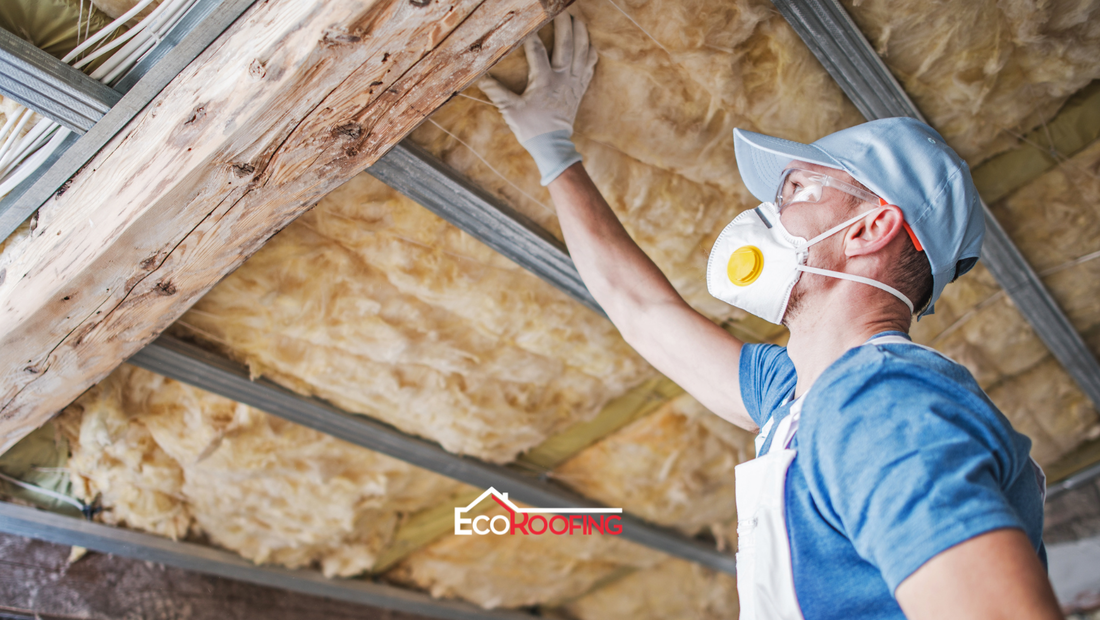
When replacing your roof, it's an opportune time to consider adding insulation to your attic. Adequate attic insulation offers numerous benefits, including improved energy efficiency, enhanced comfort, and potential cost savings. In this blog post, we'll explore the advantages of adding insulation to your attic during roof replacement and why it's a wise investment for homeowners in the Twin Cities.
Picture
\Enhanced Energy Efficiency: Proper attic insulation is a key component of a well-insulated home. By adding insulation during roof replacement, you can significantly improve energy efficiency. Insulation acts as a barrier, preventing heat transfer between your living spaces and the attic. This helps maintain a consistent temperature, reducing the need for excessive heating or cooling. Consequently, your HVAC system operates more efficiently, resulting in energy savings and lower utility bills.
​

Increased Comfort: Attic insulation plays a crucial role in maintaining a comfortable indoor environment. It helps prevent heat loss during cold winters and heat gain during hot summers. By adding insulation during roof replacement, you can create a more comfortable living space with even temperatures throughout your home. This eliminates drafts, hot spots, and cold spots, enhancing your overall comfort.

Moisture Control: Proper attic insulation also helps control moisture levels, reducing the risk of condensation and moisture-related problems. By preventing warm, humid air from infiltrating the attic, insulation helps mitigate the potential for mold growth, rot, and damage to the roof structure. This is particularly important in humid climates like the Twin Cities, where excess moisture can be a concern.

Noise Reduction: Attic insulation can contribute to noise reduction, creating a quieter indoor environment. The added insulation helps absorb sound vibrations, reducing the transmission of outside noise, such as traffic or loud neighbors. This can lead to a more peaceful and enjoyable living space.

Potential Cost Savings: Investing in attic insulation during roof replacement can yield long-term cost savings. By improving energy efficiency, insulation reduces the workload on your HVAC system, potentially extending its lifespan and reducing maintenance and repair costs. Additionally, lower energy consumption translates into reduced utility bills over time, providing ongoing savings throughout the life of your roof.

Environmental Benefits: Adding attic insulation is not only beneficial for your home but also for the environment. By reducing energy consumption, you lower your carbon footprint and contribute to a more sustainable future. Improved energy efficiency helps conserve natural resources and reduces greenhouse gas emissions associated with energy production.

When replacing your roof, considering the addition of attic insulation is a smart decision with numerous benefits. Enhanced energy efficiency, increased comfort, moisture control, noise reduction, potential cost savings, and environmental advantages make attic insulation a valuable investment for homeowners in the Twin Cities. Consult with a professional roofing contractor, like Ecoroofing, to assess your attic insulation needs and ensure proper installation during your roof replacement. By taking this proactive step, you can enjoy a more energy-efficient, comfortable, and environmentally friendly home.

1 Comment

Installing a Metal Roof in the Twin Cities: A Durable and Energy-Efficient Option

9/27/2023

0 Comments

 
Picture
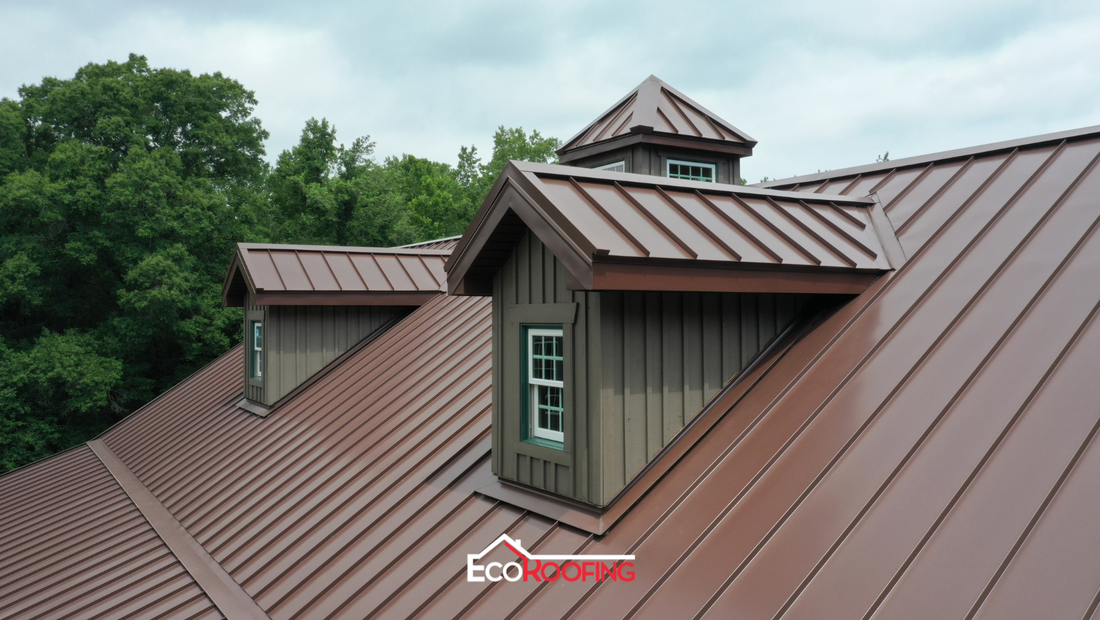
If you're considering a roof replacement in the Twin Cities area, metal roofing is a durable and energy-efficient option worth considering. Metal roofs offer numerous benefits, including longevity, sustainability, and aesthetic appeal. In this blog post, we'll explore the advantages of installing a metal roof in the Twin Cities and why it can be a suitable choice for your home.
Durability and Longevity
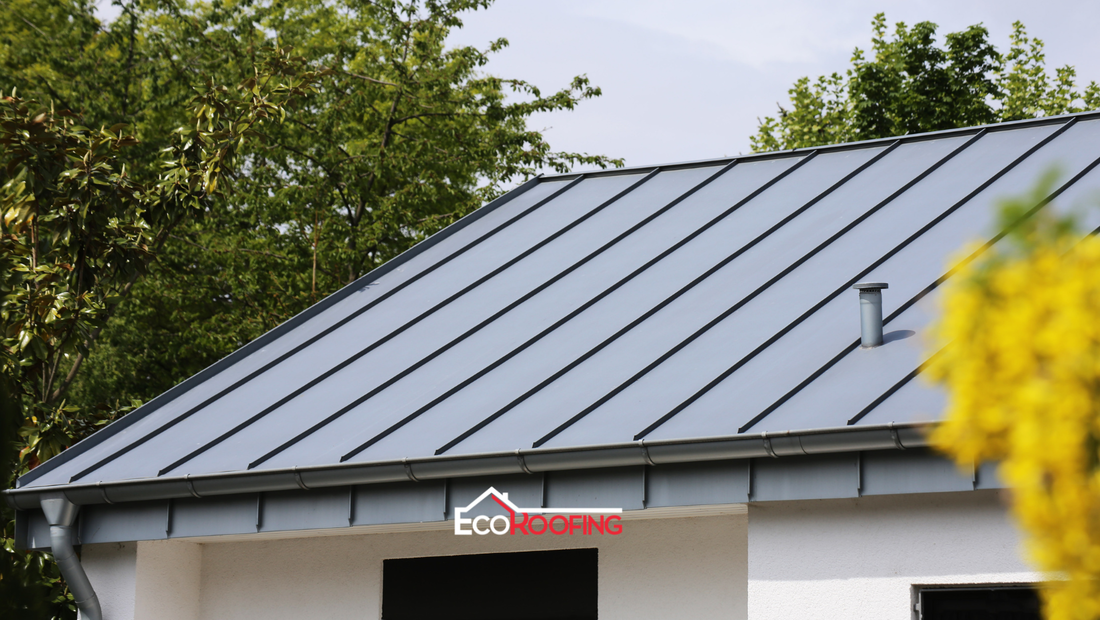
Metal roofs are known for their exceptional durability and longevity. In the Twin Cities, where extreme weather conditions can occur, a metal roof can provide the necessary protection. Metal roofs are resistant to impact, high winds, hail, and fire, making them an ideal choice for areas prone to severe weather events. With proper installation and maintenance, a metal roof can last 50 years or more, outperforming many other roofing materials.
Energy Efficiency
Metal roofs are highly energy-efficient, helping to reduce cooling costs during hot summers and maintain comfortable indoor temperatures. They have excellent reflective properties, reflecting solar heat away from your home, which can lead to significant energy savings. This is especially beneficial in the Twin Cities, where summers can be hot and humid. By reducing your reliance on air conditioning, a metal roof can contribute to a more sustainable and energy-efficient home.
Picture
Sustainability and Environmental Benefits: Metal roofing is considered environmentally friendly and sustainable for several reasons:
  • Recyclability: Metal roofs are made from a high percentage of recycled materials and are fully recyclable at the end of their lifespan. This significantly reduces the environmental impact compared to other roofing materials.
  • Energy Savings: As mentioned earlier, metal roofs contribute to energy savings by reflecting heat and reducing cooling needs. This reduction in energy consumption helps lower carbon emissions and supports sustainability efforts.
  • Longevity: The long lifespan of metal roofs means fewer replacements over time, reducing the amount of roofing material waste sent to landfills.
Aesthetics and Design Options
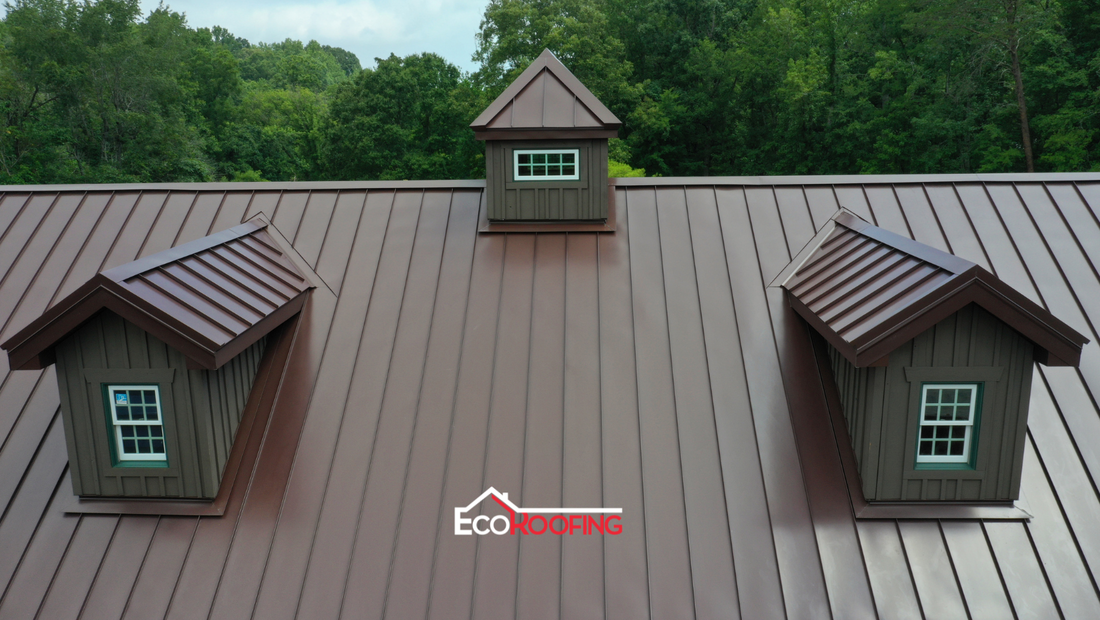
Metal roofs offer a wide range of design options and can complement various architectural styles. They are available in different colors, finishes, and profiles, allowing you to achieve the desired aesthetic for your home. Whether you prefer a modern, traditional, or rustic look, a metal roof can enhance the overall curb appeal of your property in the Twin Cities.
Professional Installation
To ensure the optimal performance and longevity of your metal roof, it's crucial to work with a professional roofing contractor experienced in metal roof installations. Ecoroofing, a reputable roofing contractor in the Twin Cities, specializes in metal roof installations and has the expertise to handle your project with precision and care.
Installing a metal roof in the Twin Cities area offers numerous benefits, including durability, energy efficiency, sustainability, and aesthetic appeal. With its longevity, resistance to severe weather, energy-saving properties, and recyclability, a metal roof is a wise investment for homeowners seeking a durable and environmentally friendly roofing solution. For professional installation and expert guidance, trust Ecoroofing, a reputable roofing contractor in the Twin Cities, to help you make the transition to a metal roof that will protect and enhance your home for years to come.
0 Comments

Pros and Cons of Metal Roofing: Is It the Right Choice for You?

9/25/2023

2 Comments

 
Metal roofing is gaining popularity as a durable and energy-efficient option for homeowners. Before making a decision, it's essential to consider the pros and cons of metal roofs. In this blog post, we'll explore the advantages and disadvantages of metal roofing, helping you make an informed choice for your home in the Twin Cities.
Picture

Pro's 

  1. Longevity and Durability: One of the significant advantages of metal roofs is their exceptional longevity and durability. When properly installed and maintained, metal roofs can last 50 years or more, outperforming many other roofing materials. They are resistant to impact, high winds, fire, and hail, making them suitable for areas prone to severe weather conditions.
  2. Energy Efficiency: Metal roofs have excellent energy-saving properties. They reflect solar heat away from your home, reducing the need for air conditioning during hot summers. This can lead to significant energy savings and lower cooling costs, contributing to a more energy-efficient and sustainable home.
  3. Low Maintenance: Metal roofs require minimal maintenance compared to other roofing materials. They are resistant to rot, insect damage, and mildew. Periodic inspections and simple cleaning are typically sufficient to keep the roof in good condition, reducing the time and effort required for upkeep.
  4. Aesthetic Appeal and Design Options: Metal roofs offer a wide range of design options and can enhance the curb appeal of your home. They are available in various colors, finishes, and profiles, allowing you to achieve the desired aesthetic that complements your home's architecture and style.
  5. Sustainability: Metal roofing is considered environmentally friendly and sustainable. They are often made from a high percentage of recycled materials and are fully recyclable at the end of their lifespan. The longevity of metal roofs also reduces the need for frequent replacements, minimizing the amount of roofing material waste sent to landfills.

Con's

  1. Cost: One of the main drawbacks of metal roofing is the initial cost, which is often higher than traditional roofing materials. However, it's important to consider the long-term value and durability of metal roofs, which can offset the higher upfront investment.
  2. Noise: Some homeowners express concerns about noise associated with rain, hail, or other external factors on a metal roof. However, with proper insulation and underlayment, this noise can be minimized, making it less of a concern.
  3. Denting: Metal roofs can be susceptible to denting from large hail or falling debris, especially if the metal is not adequately protected or has a thinner gauge. However, modern metal roofing materials are designed to withstand impacts, and proper installation can mitigate the risk of denting.
  4. Expansion and Contraction: Metal roofing materials can expand and contract with temperature changes. While this is a natural characteristic, proper installation techniques and using appropriate fasteners and components can minimize any potential issues related to expansion and contraction.
Metal roofing offers numerous advantages, including longevity, durability, energy efficiency, low maintenance, aesthetic appeal, and sustainability. While the initial cost and potential for noise or denting may be considerations, the long-term benefits of metal roofs often outweigh the drawbacks. If you're seeking a durable, energy-efficient, and visually appealing roofing option for your home in the Twin Cities, metal roofing is worth serious consideration. Consult with a professional roofing contractor, such as Ecoroofing, to evaluate your specific needs and help you make an informed decision that suits your home and budget.
2 Comments

How do I know if my roof is properly ventilated?

9/22/2023

0 Comments

 
Proper roof ventilation is essential for maintaining a healthy and durable roof. It helps regulate temperature, reduce moisture buildup, and prevent a range of issues, including mold growth, ice dams, and premature roof deterioration. In this blog post, we'll explore the signs that indicate your roof is properly ventilated and provide guidance on assessing the ventilation of your roof in the Twin Cities.
Picture
1. Balanced Intake and Exhaust: Proper roof ventilation requires a balanced system of intake and exhaust vents. The intake vents allow fresh air to enter the attic space, while the exhaust vents expel stale air and excess moisture. The following signs indicate a well-balanced ventilation system:
  • Intake Vents: Check for the presence of intake vents along the soffits, eaves, or fascia of your roof. These vents should be clear of obstructions, such as insulation or debris, and provide a steady flow of fresh air.
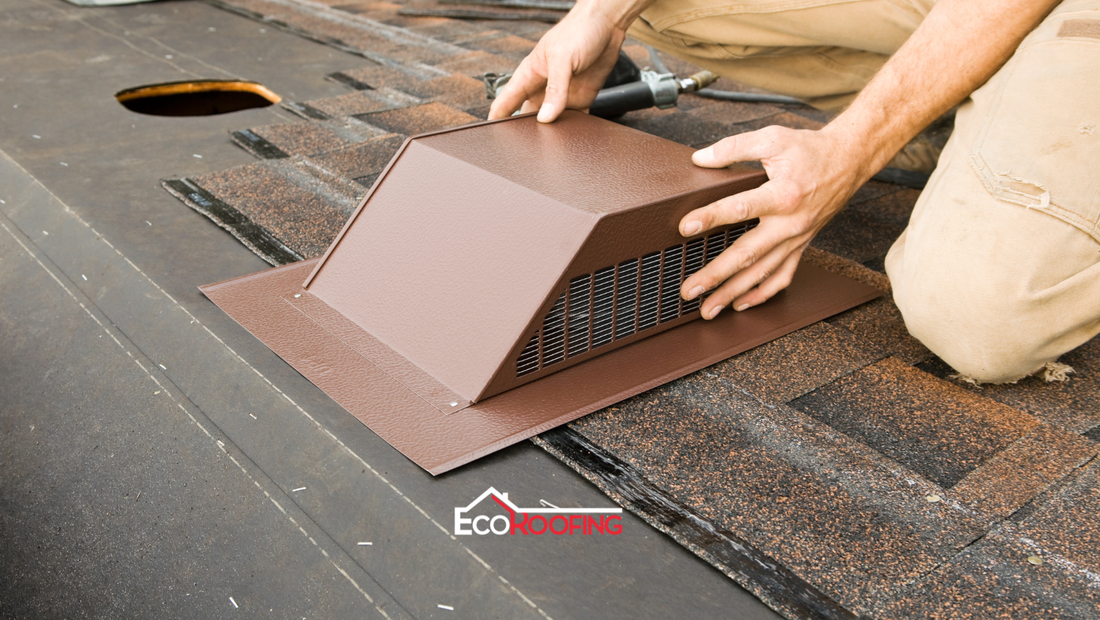
  • Exhaust Vents: Look for exhaust vents, such as ridge vents, turbine vents, or box vents, near the roof's ridge line. These vents allow hot air and moisture to escape from the attic space.
2. Temperature Regulation: Proper roof ventilation helps regulate temperature in the attic, preventing excessive heat buildup. Here are some signs that indicate your roof is effectively managing temperature:
  • Consistent Indoor Temperature: If your attic temperature remains relatively consistent with the outdoor temperature, it suggests that the ventilation system is working efficiently. This indicates that hot air is being effectively expelled, preventing heat from radiating into the living spaces below.
  • Reduced Energy Costs: Proper ventilation can help lower energy costs by reducing the strain on your HVAC system. If you notice a decrease in cooling costs during hot summer months, it may indicate that your roof ventilation is functioning optimally.
Picture
Picture
3. Moisture Control: Effective roof ventilation plays a crucial role in controlling moisture and preventing condensation buildup. Check for the following signs that indicate proper moisture control:
  • No Signs of Mold or Mildew: A well-ventilated attic will have minimal or no signs of mold or mildew growth. Inspect your attic space for any visible signs of mold, dampness, or musty odors, as these can indicate excessive moisture accumulation.
  • Dry Insulation: Touch the insulation in your attic to ensure it is dry and free from moisture. Wet or damp insulation could be a sign of inadequate ventilation, which may lead to condensation problems and potential roof damage.
  • No Staining or Water Damage: Check the underside of your roof decking for any signs of water staining or damage. Excessive moisture can cause structural problems and compromise the integrity of your roof
4. Professional Assessment: For a comprehensive evaluation of your roof's ventilation, it's advisable to consult a professional roofing contractor, such as Ecoroofing. They have the expertise to assess your specific roof configuration and recommend any necessary adjustments or improvements to ensure proper ventilation.
Proper roof ventilation is crucial for maintaining a healthy and long-lasting roof. Assessing the signs of a well-balanced ventilation system, including balanced intake and exhaust vents, consistent attic temperature, moisture control, and the absence of mold or mildew, can help you determine if your roof is properly ventilated. If you have any concerns about your roof's ventilation, it's best to consult a professional roofing contractor like Ecoroofing for a thorough assessment and expert guidance. With proper roof ventilation, you can protect your roof, enhance energy efficiency, and maintain a comfortable living environment in the Twin Cities.
0 Comments

Walking on Your Roof: Guidelines to Prevent Damage

9/20/2023

2 Comments

 
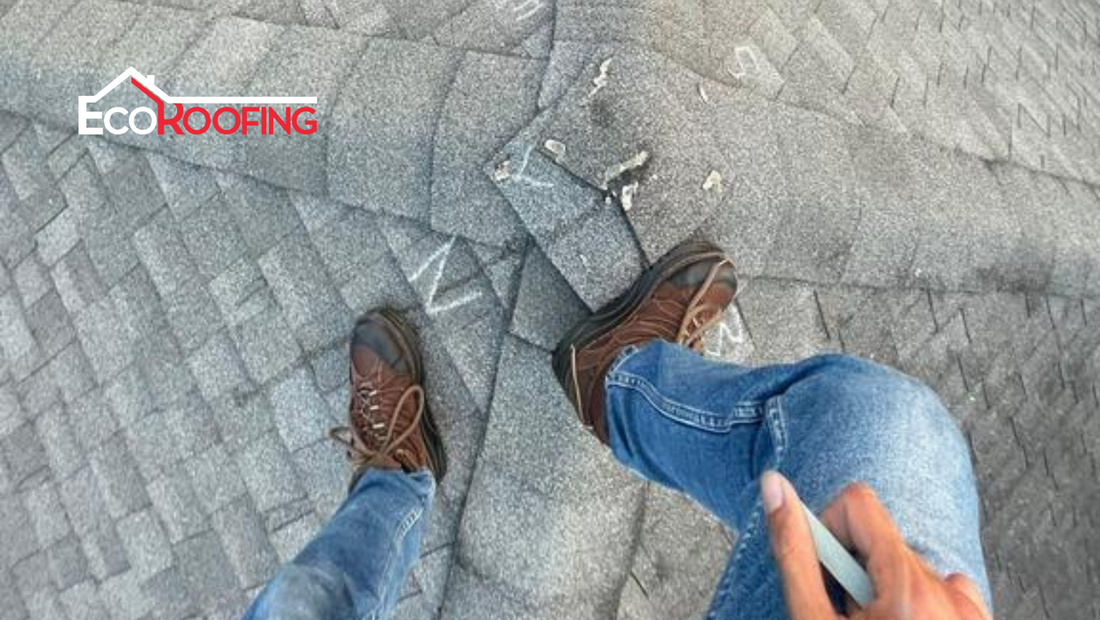
Walking on your roof may be necessary for maintenance tasks or inspections, but it's crucial to follow specific guidelines to prevent damage. By adhering to safety precautions and distributing your weight evenly, you can minimize the risk of compromising your roof's integrity. In this blog post, we'll provide essential guidelines for safely walking on your roof and highlight the importance of consulting a professional roofing contractor, like Ecoroofing, for any roofing concerns in the Twin Cities.
Picture
Safety Precautions: Prioritize your safety when walking on your roof by following these precautions:
  • Assess the roof's condition: Ensure your roof is in good condition before walking on it. If you notice any structural issues, leaks, or visible damage, contact a professional roofing contractor, such as Ecoroofing, to assess and address the concerns.
  • Use proper safety equipment: Wear non-slip shoes with rubber soles for traction on the roof surface. Consider using a safety harness or fall protection system, especially when working on steep or high roofs.
  • Choose favorable weather conditions: Avoid walking on a wet, icy, or windy roof as it can be slippery and increase the risk of accidents. Select a dry and calm day for your roof-related tasks.
  • Maintain three points of contact: Always have three points of contact with the roof surface to ensure stability and balance. This can be achieved by keeping two hands and one foot or two feet and one hand in contact with the roof at all times.
  • Be cautious of fragile areas: Certain roofing materials, such as clay tiles or slate, are more delicate than others. Exercise extra caution when walking on these surfaces to avoid damage. When in doubt, consult a professional roofing contractor for guidance.
Distribute your weight: To prevent damage, distribute your weight evenly by following these guidelines:
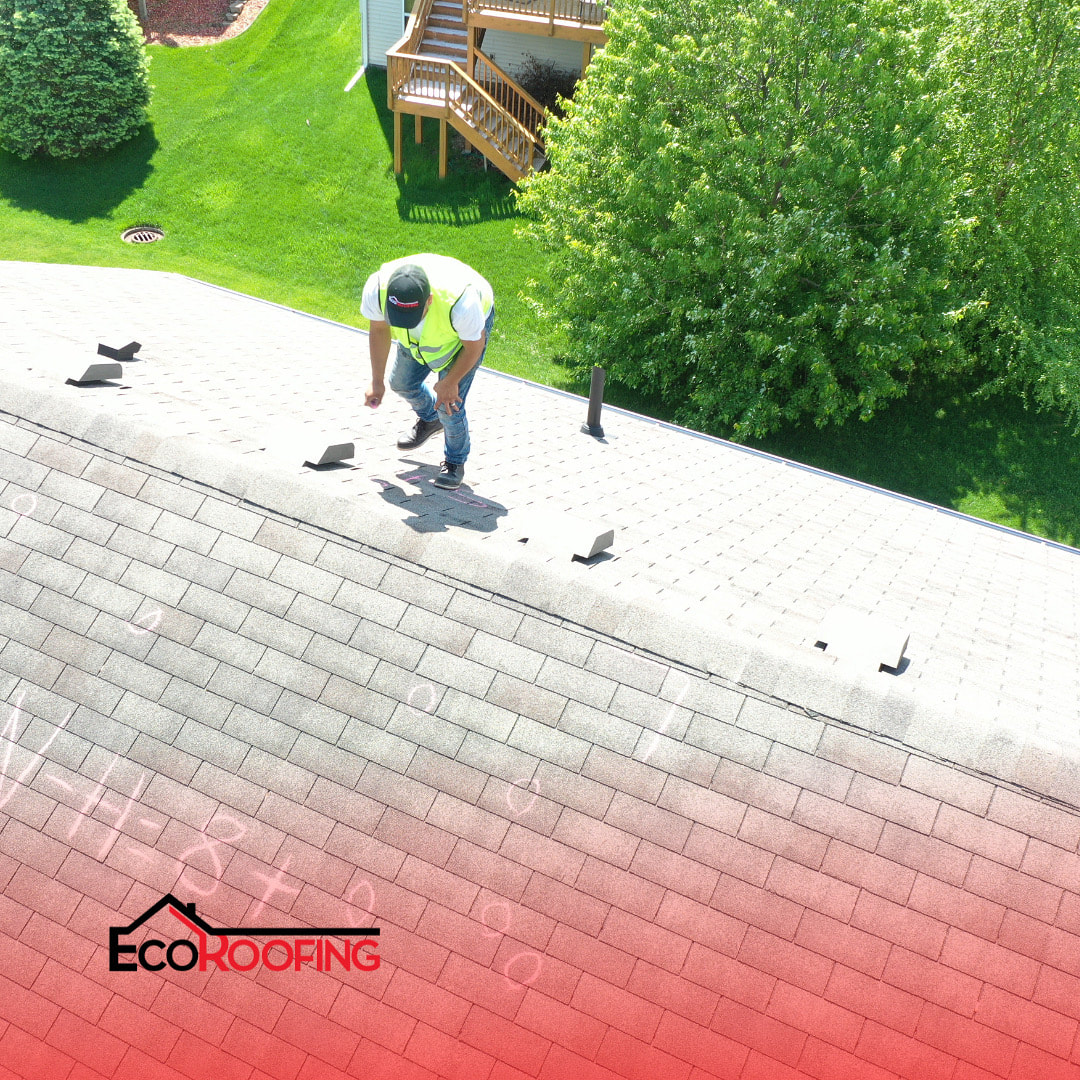
  • Walk on stronger areas: Stay on the lower portions of the roof, as they tend to be stronger and can withstand more weight. Avoid stepping on unsupported areas between rafters or trusses.
  • Step on structural support: Use the rafters or trusses underneath the roof as your stepping points, as they provide the most structural support. Be mindful of their locations to minimize the risk of damage.
  • Utilize crawl boards or planks: For larger areas or prolonged work on the roof, consider using crawl boards or planks. Place them across the rafters to distribute your weight evenly and provide a stable surface.

Picture
  1. Minimize foot traffic: Limit foot traffic on your roof to minimize the potential for damage. Restrict access to only essential tasks, such as inspections or minor repairs. Whenever possible, use alternative methods, such as binoculars or a camera, to inspect the roof from the ground.
  2. Consult a professional roofing contractor: For complex or extensive roofing work and any roofing concerns, it's advisable to consult a professional roofing contractor like Ecoroofing. They have the expertise, experience, and safety equipment to navigate your roof safely and efficiently. Ecoroofing can provide professional assessments, perform necessary repairs or replacements, and offer expert guidance on maintaining your roof's integrity.

Walking on your roof can be done safely by following the guidelines provided. Prioritize your safety, assess the roof's condition, use proper safety equipment, choose favorable weather conditions, distribute your weight evenly, and minimize foot traffic. When in doubt or for any roofing concerns, don't hesitate to contact a professional roofing contractor like Ecoroofing. They can address your roofing needs, provide expert advice, and ensure the longevity and integrity of your roof in the Twin Cities. Remember, safety and professional assistance are key to maintaining a well-functioning and durable roof.
2 Comments

What are the benefits of hiring a licensed and insured roofing contractor?

9/18/2023

6 Comments

 
The Benefits of Hiring a Licensed and Insured Roofing Contractor
When it comes to roof repairs, replacements, or maintenance, hiring a licensed and insured roofing contractor is essential. Working with a reputable and professional contractor, such as Ecoroofing, offers numerous advantages that protect both you as a homeowner and your investment. In this blog post, we'll explore the benefits of hiring a licensed and insured roofing contractor and highlight why Ecoroofing is the preferred choice in the Twin Cities
Picture
Expertise and Quality Workmanship
Licensed roofing contractors have met specific requirements and undergone rigorous training, demonstrating their expertise in the field. Their knowledge and experience ensure that they can deliver high-quality workmanship, adhering to industry standards and best practices. By hiring a licensed contractor like Ecoroofing, you can have confidence in the skill and expertise of the professionals handling your roofing project.
Compliance with Building Codes and Regulations
Licensed roofing contractors are well-versed in local building codes, regulations, and permit requirements. They ensure that your roofing project complies with all necessary standards, ensuring safety and avoiding potential legal issues. With Ecoroofing, you can be assured that your roofing project will meet or exceed all relevant building codes and regulations in the Twin Cities.
Liability Insurance Coverage
Working with an insured roofing contractor provides you with financial protection and peace of mind. Liability insurance coverage protects you and your property in the event of accidents, property damage, or injuries that may occur during the roofing project. Ecoroofing carries comprehensive liability insurance, giving you added protection and minimizing any potential liabilities.
Worker's Compensation Insurance
Licensed roofing contractors typically carry worker's compensation insurance, which covers their employees in case of work-related injuries or accidents. This insurance relieves you from any liability for injuries that may occur on your property during the roofing project. With Ecoroofing's worker's compensation insurance, you can have confidence that their team is protected, and you won't be held responsible for any unfortunate incidents.
Warranty Protection
Reputable roofing contractors, like Ecoroofing, offer warranty protection for their workmanship and materials. By choosing a licensed contractor, you gain access to warranties that safeguard your investment. These warranties provide assurance that if any issues arise within the specified warranty period, the contractor will address them promptly and effectively.
Peace of Mind
​Hiring a licensed and insured roofing contractor gives you peace of mind throughout the entire roofing project. You can trust that the contractor has the necessary qualifications, adheres to legal requirements, carries proper insurance coverage, and stands behind their work. This peace of mind allows you to focus on other aspects of your life while knowing that your roofing project is in capable hands.
When it comes to roofing projects, hiring a licensed and insured contractor like Ecoroofing offers numerous benefits. Their expertise, adherence to building codes, liability and worker's compensation insurance coverage, warranty protection, and overall professionalism provide you with confidence, peace of mind, and assurance of a successful roofing project. Make the smart choice by selecting Ecoroofing as your trusted roofing contractor in the Twin Cities, ensuring a high-quality and stress-free experience.
6 Comments

Understanding Mold Growth on Your Roof: When to Be Concerned

9/16/2023

0 Comments

 
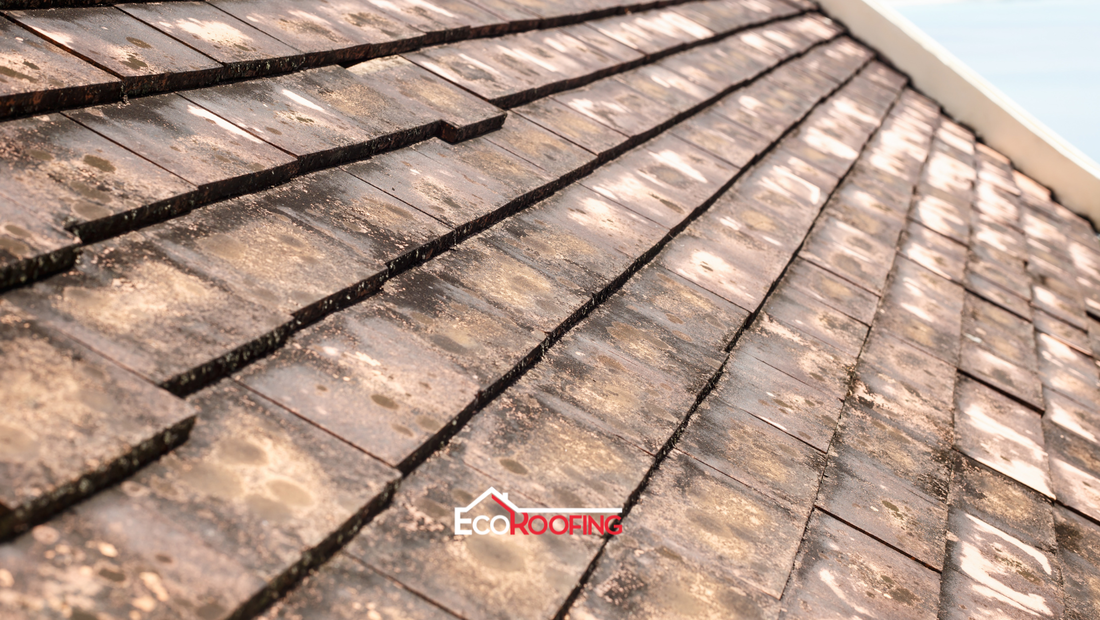
Mold growth on your roof can be a cause for concern as it can compromise the integrity of the roofing materials and potentially impact your indoor air quality. Understanding the causes, signs, and potential risks associated with mold growth on your roof is important for taking appropriate action. In this blog post, we'll explore the topic of mold growth on roofs and when you should be concerned in the Twin Cities.
Picture
Causes of Mold Growth on Roofs:
Mold requires moisture and organic material to thrive. Several factors can contribute to mold growth on your roof:
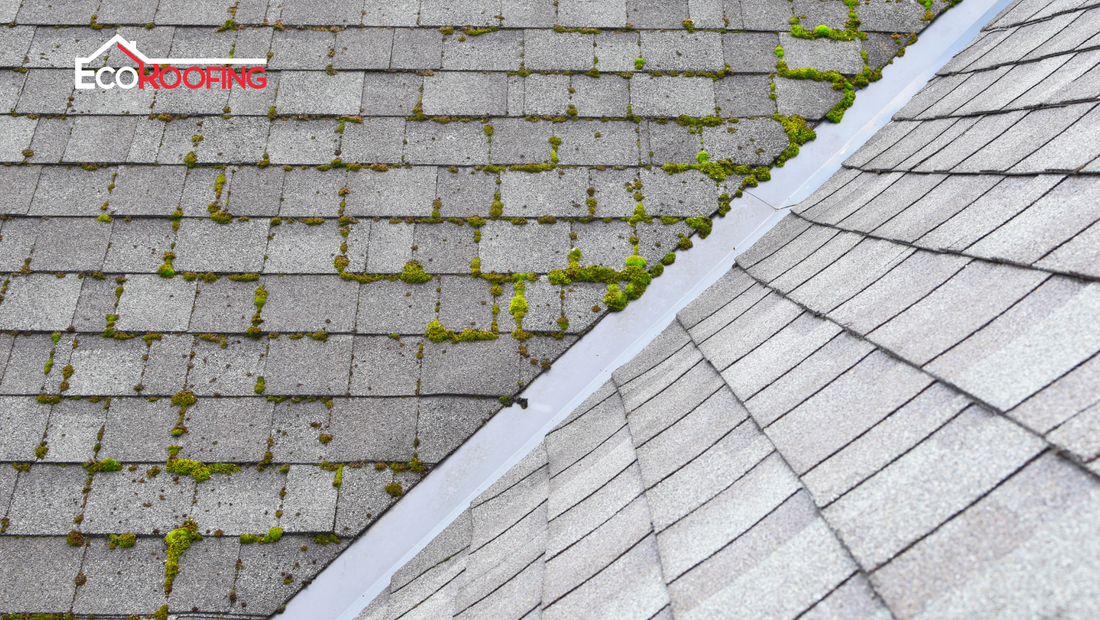
  1. Excessive Moisture: Poor drainage, clogged gutters, or inadequate ventilation can lead to the accumulation of moisture on the roof surface. This moisture provides an ideal environment for mold to grow.
  2. Shaded Areas: Areas of the roof that receive limited sunlight or are shaded by trees or nearby structures may have higher humidity levels, promoting mold growth.
  3. Organic Debris: Leaves, twigs, or other organic debris that accumulate on the roof can provide nutrients for mold growth when combined with moisture.
Picture
Signs of Mold Growth on Roofs
Detecting mold growth on your roof may not always be easy, but there are some signs to watch for
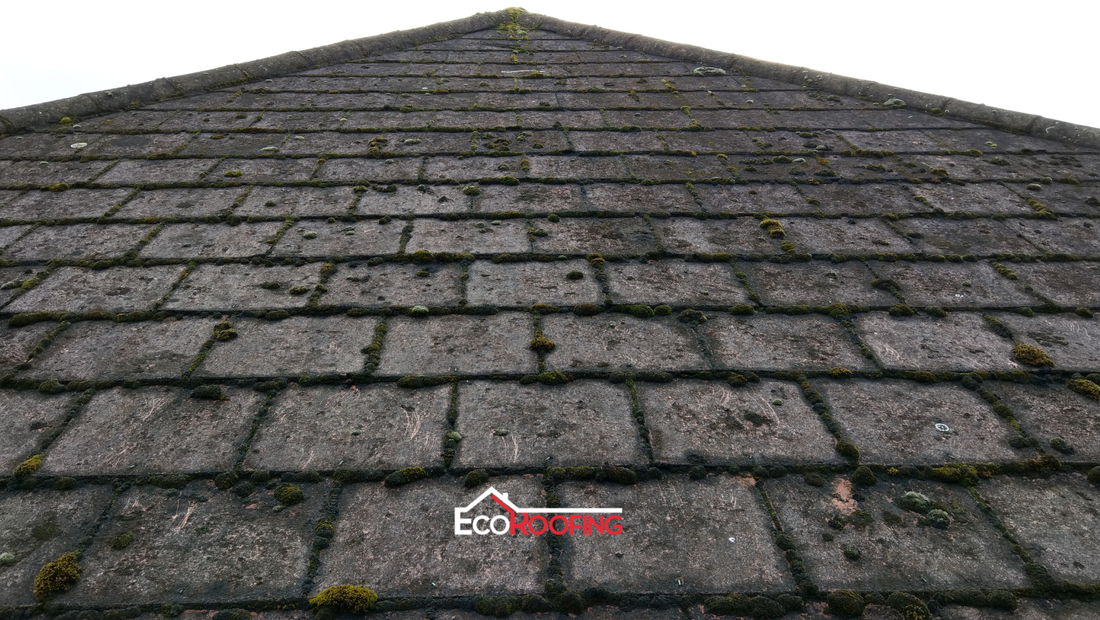
  1. Dark Streaks or Discoloration: Dark streaks or patches on the roof surface can indicate the presence of mold or algae growth. These stains may appear green, black, or brown.
  2. Peeling or Curling Shingles: Mold growth can cause shingles to deteriorate, leading to peeling or curling. Inspect your roof for any abnormal shingle conditions.
  3. Musty Odor: Mold growth often emits a musty or earthy odor. If you notice an unpleasant smell coming from your roof or attic, it may be an indication of mold growth.
Picture
Addressing Mold Growth on Your Roof: If you suspect mold growth on your roof, it's essential to take appropriate action:
  1. Professional Inspection: Engage a professional roofing contractor, like Ecoroofing, to conduct a thorough inspection of your roof. They can identify the extent of the mold growth and determine the underlying cause.
  2. Mold Remediation: If mold growth is confirmed, professional mold remediation may be necessary. The affected area will be treated, and measures will be taken to prevent further growth and address the underlying moisture issue.
  3. Prevention Measures: To prevent future mold growth, ensure proper roof ventilation, clean gutters regularly, remove debris, and address any water drainage issues promptly.

Mold growth on your roof should be taken seriously due to its potential impact on both your health and the integrity of your roof. Watch for signs of mold growth, such as dark streaks, discoloration, or a musty odor. If you suspect mold, consult a professional roofing contractor for a thorough inspection and, if necessary, mold remediation. By addressing mold growth promptly and implementing preventive measures, you can protect your roof and ensure a healthy environment for your home in the Twin Cities.
0 Comments

DIY Roof Maintenance: Tasks You Can Safely Perform Yourself

9/13/2023

0 Comments

 
While some roof maintenance tasks require professional expertise, there are several tasks you can perform yourself to keep your roof in good condition. These DIY maintenance tasks can help you identify potential issues and take preventive measures to prolong the lifespan of your roof. In this blog post, we'll explore some DIY roof maintenance tasks that you can safely perform in the Twin Cities.

Picture
  1. Visual Inspections: Regularly perform visual inspections of your roof from the ground or a safe vantage point. Look for signs of damaged or missing shingles, sagging areas, or debris accumulation. Use binoculars for a closer look if needed. If you notice any significant issues, contact a professional roofing contractor for a more detailed inspection.
  2. Clearing Debris: Safely remove debris, such as leaves, twigs, and branches, from your roof surface. Use a roof rake, a soft-bristle broom, or a leaf blower to gently clear the debris. Be cautious not to damage the roofing material or walk on the roof unless you have the necessary training and equipment.
  3. Cleaning Gutters: Regularly clean your gutters to ensure proper water flow and prevent water backup. Use gloves and a small trowel to scoop out leaves, debris, and sediment from the gutters. Dispose of the collected debris in a compost bin or yard waste bag. Exercise caution when using ladders and ensure they are securely placed on level ground.
  4. Trim Overhanging Branches: Trim overhanging branches that are close to or touching your roof. This helps prevent potential damage from branches rubbing against the roof surface during storms. Use proper tree trimming tools and techniques, or consider hiring a professional arborist for larger or more complex tree trimming tasks.
  5. Address Moss and Algae Growth: If you notice moss or algae growth on your roof, you can take steps to address it. Use a gentle solution of water and bleach or a specialized roof cleaner to remove the moss or algae. Apply the solution following the manufacturer's instructions and rinse thoroughly with water. Avoid using high-pressure washing, as it can damage the roofing material.
  6. Inspect Flashing and Sealant: Inspect the flashing around chimneys, vents, and skylights for signs of damage or deterioration. Look for cracks, gaps, or missing sealant. If necessary, apply a suitable roofing sealant to ensure proper waterproofing. Use caution and follow safety guidelines when accessing areas around flashing.
  7. Maintain Attic Ventilation: Check the vents in your attic to ensure they are clear of obstructions. Ensure proper airflow by removing any debris or insulation that may be blocking the vents. Consult with a professional roofing contractor if you notice any issues with your attic ventilation system.
  8. Keep Records: Maintain a record of your DIY maintenance tasks, including the dates of inspections, cleanings, and any repairs performed. This documentation can be helpful for future reference and when working with professional contractors.
Performing DIY roof maintenance tasks can help you keep your roof in good condition and identify potential issues before they escalate. Safely conduct visual inspections, clear debris, clean gutters, trim overhanging branches, address moss and algae growth, inspect flashing and sealant, maintain attic ventilation, and keep records of your maintenance activities. Remember that some tasks may require professional expertise, and it's important to prioritize safety when accessing your roof. For complex or significant maintenance needs, consult with a professional roofing contractor in the Twin Cities to ensure proper care and maintenance of your roof.
0 Comments

How do I maintain my roof to prolong its lifespan?

9/11/2023

0 Comments

 
Regular maintenance is crucial for extending the lifespan of your roof and ensuring its optimal performance. By implementing a proactive maintenance routine, you can prevent common roofing problems, address issues promptly, and maximize the longevity of your roof. In this blog post, we'll provide essential roof maintenance tips to help you protect your investment and prolong your roof's lifespan in the Twin Cities.
Picture
  1. Regular Roof Inspections: Schedule regular roof inspections, ideally twice a year, in the spring and fall. Inspections help identify potential issues, such as damaged shingles, leaks, or gutter problems. Engage a professional roofing contractor, like Ecoroofing, to conduct a thorough inspection and address any concerns promptly.
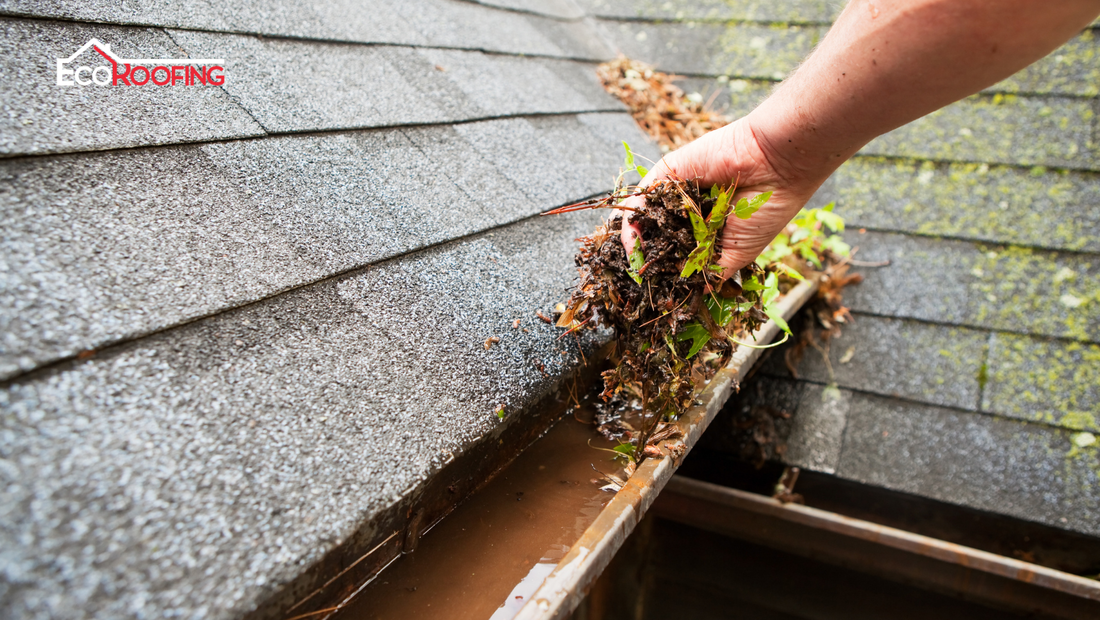
  2. Clear Debris: Regularly clear debris, such as leaves, twigs, and branches, from your roof and gutters. Accumulated debris can block gutters and downspouts, leading to water backup and potential damage. Use a roof rake or a soft-bristle broom to gently remove debris, taking care not to damage the roofing material.
  3. Trim Overhanging Branches: Trim overhanging tree branches to prevent them from rubbing against the roof surface or causing damage during storms. Falling branches can also pose a risk of roof damage. Consult with an arborist for safe and proper tree pruning techniques.
  4. Check and Clean Gutters: Regularly inspect and clean your gutters to ensure proper water flow. Clogged gutters can lead to water backup, which can damage the roof and compromise its integrity. Remove leaves, debris, and sediment from the gutters and downspouts. Consider installing gutter guards to minimize debris buildup.
  5. Address Leaks Promptly: If you notice any signs of water stains, discoloration, or mold growth inside your home, it may indicate a roof leak. Address leaks promptly to prevent further damage. Contact a professional roofing contractor, like Ecoroofing, to assess and repair the source of the leak professionally.
  6. Maintain Attic Ventilation: Ensure proper attic ventilation to prevent excessive heat buildup and moisture retention. Proper ventilation helps regulate temperature and moisture levels, reducing the risk of roof damage. Consult with a professional roofing contractor to assess your attic ventilation and make necessary adjustments.
  7. Insulate Your Attic: Proper attic insulation helps maintain a stable temperature and reduces energy loss. Insulate your attic according to recommended R-values for your climate. Adequate insulation helps prevent ice dams, reduces the strain on your HVAC system, and promotes energy efficiency.
  8. Address Moss and Algae Growth: Moss and algae growth on your roof can cause damage over time. Use a gentle solution of water and bleach or a specialized roof cleaner to remove moss and algae. Be cautious not to use high-pressure washing, as it can damage the roofing material.
  9. Protect Against Ice Dams: Take preventive measures to protect against ice dams in the winter. Ensure proper insulation, attic ventilation, and sealing of air leaks in the attic. Remove snow from the roof using a roof rake, but be careful not to damage the shingles or the roof surface.
  10. Professional Roof Maintenance: Consider scheduling professional roof maintenance services with a reputable roofing contractor. They can provide comprehensive maintenance, including inspections, repairs, and necessary adjustments to ensure your roof remains in optimal condition.
Regular roof maintenance is essential for prolonging the lifespan of your roof and protecting your home. Conduct regular inspections, clear debris, trim overhanging branches, clean gutters, address leaks promptly, maintain attic ventilation and insulation, address moss and algae growth, protect against ice dams, and consider professional roof maintenance services. By following these maintenance tips and working with a trusted roofing contractor like Ecoroofing, you can enjoy a durable and long-lasting roof in the Twin Cities.
0 Comments

Can I claim a warranty on my roof if it was damaged by severe weather?

9/8/2023

1 Comment

 
Severe weather events can cause significant damage to your roof, leaving homeowners wondering if they can claim warranty coverage for repairs or replacement. Understanding the terms and conditions of your roof warranty, as well as the process for filing claims related to weather damage, is essential. In this blog post, we'll explore roof warranties, coverage for weather-related damage, and the steps involved in making a warranty claim for such damages in the Twin Cities.

​Types of Roof Warranties:

  1. Manufacturer's Warranty: Most roofing materials come with a manufacturer's warranty that covers defects in the materials themselves. This warranty typically guarantees a specific lifespan for the product and may offer prorated coverage if issues arise within that period.
  2. Workmanship Warranty: A workmanship warranty is provided by the roofing contractor and covers the installation and workmanship-related issues. It ensures that the roof was installed according to industry standards and protects against installation errors.

Coverage for Weather-Related Damage: ​

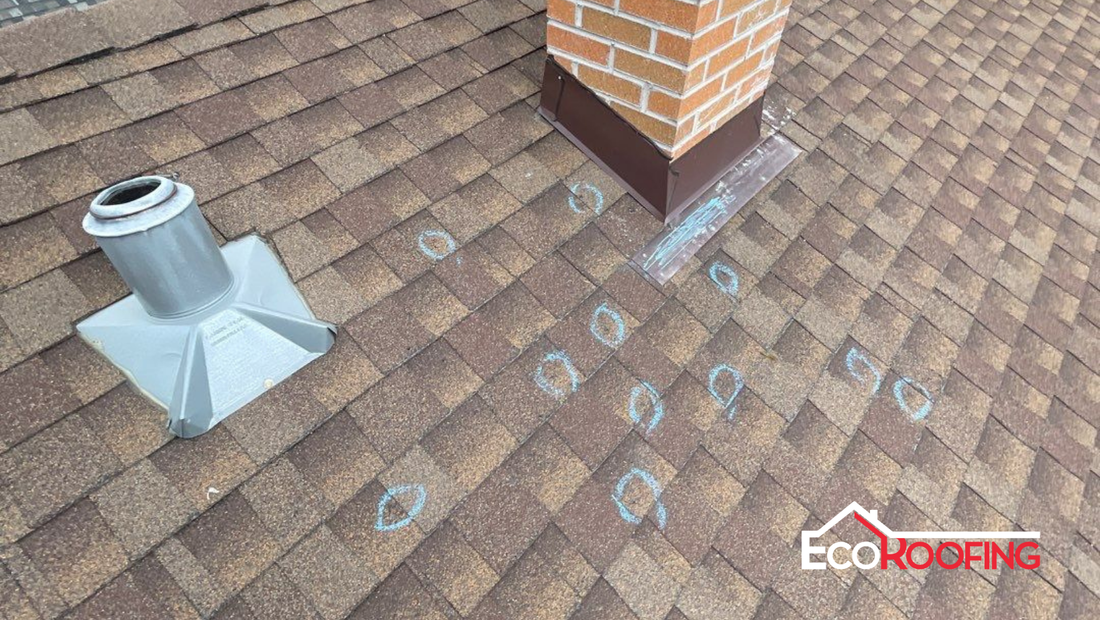
Roof warranties generally do not cover damage caused by severe weather events like hailstorms, windstorms, or hurricanes. These events are typically considered "acts of nature" and fall outside the scope of warranty coverage. Instead, homeowners should turn to their homeowner's insurance policy to address weather-related damages.
Picture

Filing an Insurance Claim: ​

To address weather-related damage, homeowners should file a claim with their homeowner's insurance company. The process typically involves the following steps:
  1. Document the Damage: Take photographs or videos of the roof damage caused by severe weather. Make detailed notes about the extent of the damage, including any visible signs of leaks, missing shingles, or structural issues.
  2. Contact your Insurance Company: Notify your insurance company promptly to report the damage and initiate the claims process. They will provide guidance on the required documentation and the next steps to follow.
  3. Schedule an Inspection: An insurance adjuster will be assigned to assess the damage and estimate the cost of repairs or replacement. They will inspect the roof, document the findings, and determine the coverage based on your policy.
  4. Obtain Repair Estimates: Obtain repair or replacement estimates from reputable roofing contractors, such as Ecoroofing, to support your insurance claim. Provide these estimates to the insurance company as part of the claims process.
  5. Review and Settlement: The insurance company will review the inspection report, estimates, and other documentation to evaluate the claim. They will provide a settlement offer, outlining the coverage and any applicable deductibles. If accepted, the settlement can be used to address the weather-related damages.
1 Comment
<<Previous

    Archives

    October 2023
    September 2023
    August 2023
    July 2023
    June 2015

    RSS Feed

OUR COMPANY


Home
Frequently Asked Questions
Financing
​
Partner
Contact Us
Picture

MN LIC#CR681753

SERVICES​


Roofing Services
Siding Services
GAF Timberline™ Shingle Products
Storm Damage Reparation
Gallery

​SOCIAL


Hours of Operation:
Monday - Saturday: 6 am - 9 pm
Sunday: 8 am - 6 pm
Picture
Picture
Picture
Picture
Picture
Picture

  • Privacy Policy
    EcoRoofing respects your privacy and is committed to protecting the personal information you share with us. This Privacy Policy explains how we collect, use, and safeguard your information and outlines your choices regarding your data. By using our services or interacting with our website, you consent to the terms of this policy.
  • The following Trademarks: Owens Corning™, SureNail® Technology, Duration®, Duration STORM® Triple Layer Protection®, WeatherGuard®, TruBond® & TruDefinition® are all registered Trademarks of Owens Corning® http://www.owenscorning.com/. 
2024 All Rights Reserved. EcoRoofing MN, Residential Roofing Company
2885 Country Drive Suite 110 Saint Paul, MN 55117  |  (651) 797.8621
  • Home
  • Roofing
    • Roofing Services
    • Storm Damage Reparation
    • Products
  • Financing
  • About
    • Team
    • Philanthropy
    • FAQ
    • Blog
  • Gallery
  • Contact
  • Privacy Policy