Welcome to EcoRoofing MN: Minnesota's Roofing Specialist!
  • Home
  • Roofing
    • Roofing Services
    • Storm Damage Reparation
    • Products
  • Financing
  • About
    • Team
    • Philanthropy
    • FAQ
    • Blog
  • Gallery
  • Contact
  • Privacy Policy

Blog

Enhancing Energy Efficiency: Tips to Improve Your Roof's Energy Performance

8/30/2023

1 Comment

 
Improving the energy efficiency of your roof is not only beneficial for the environment but also for reducing energy costs and creating a more comfortable living environment. By implementing energy-efficient measures, you can enhance your roof's performance and contribute to a greener future. In this blog post, we'll explore effective tips to improve the energy efficiency of your roof in the Twin Cities.
Picture
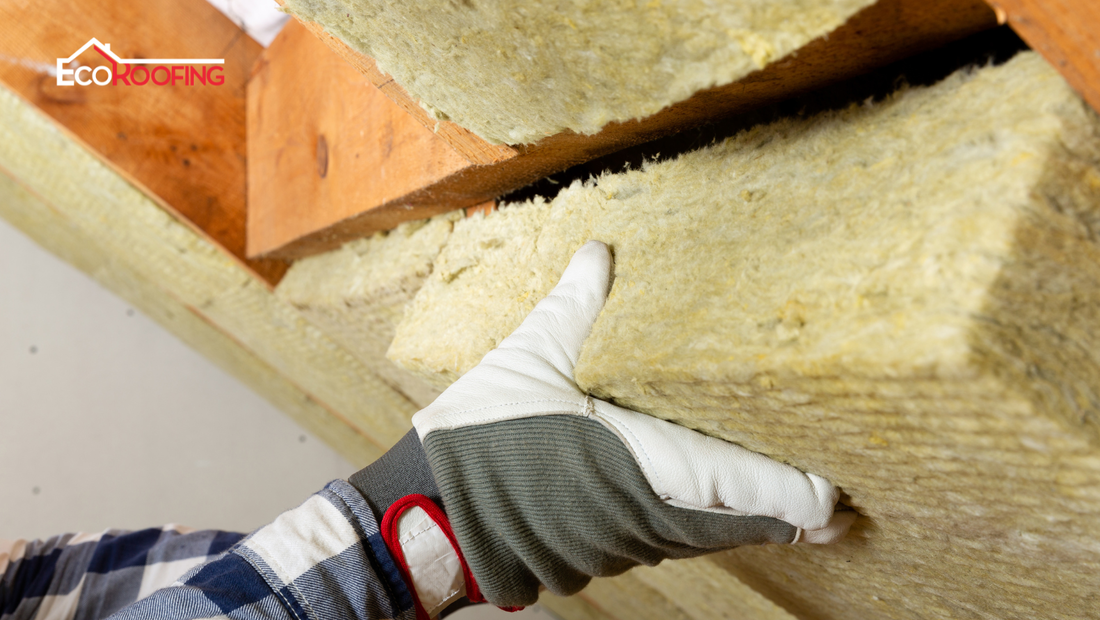
  1. Roof Insulation: Proper insulation is key to improving energy efficiency. Insulate your roof to prevent heat transfer between your home's interior and the outside environment. Consider adding insulation to the attic or roof space, ensuring it meets recommended R-value guidelines for your region. Adequate insulation helps maintain comfortable temperatures and reduces the workload on your heating and cooling systems.
  2. Cool Roofing Materials: Consider using cool roofing materials that reflect more sunlight and absorb less heat. Light-colored or reflective roofing materials, such as metal, cool roofs, or certain types of asphalt shingles, can help reduce heat absorption and lower cooling needs during hot summers. These materials reflect sunlight instead of absorbing it, keeping your home cooler and reducing energy consumption.
  3. Ventilation: Ensure proper attic ventilation to remove excess heat buildup and maintain a consistent temperature. Good ventilation allows hot air to escape, preventing it from transferring to the living spaces below. Incorporate ridge vents, soffit vents, or powered exhaust fans to promote airflow and prevent the accumulation of heat and moisture in the attic.
  4. Energy-Efficient Roofing Systems: Consider energy-efficient roofing systems specifically designed to improve energy performance. These systems often involve insulation layers, reflective coatings, and advanced materials that enhance thermal efficiency. Consult with a professional roofing contractor to explore options such as green roofs, cool roofs, or solar roofing systems, depending on your goals and budget.
  5. Regular Roof Maintenance: Proper roof maintenance is essential for optimal energy efficiency. Regularly inspect your roof for damage, leaks, or gaps that may compromise its performance. Repair any issues promptly to prevent energy loss and ensure your roof functions efficiently. Clear debris, such as leaves or branches, from gutters and downspouts to maintain proper water drainage and prevent moisture-related problems.
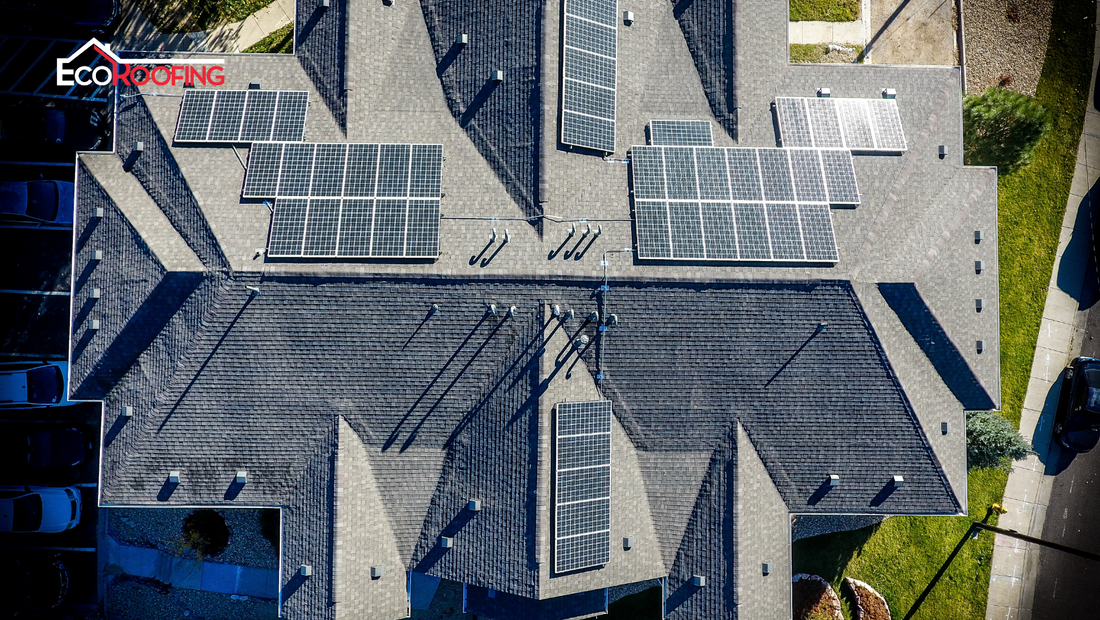
  6. Solar Panels: Consider installing solar panels on your roof to harness renewable energy and further improve your home's energy efficiency. Solar panels convert sunlight into electricity, reducing your reliance on traditional energy sources. Consult with a professional solar installer to determine the feasibility of solar panel installation on your roof and maximize the benefits of solar energy.
Improving the energy efficiency of your roof is a wise investment that can yield long-term benefits. By enhancing insulation, using cool roofing materials, ensuring proper ventilation, exploring energy-efficient roofing systems, conducting regular maintenance, and considering solar panels, you can significantly improve your roof's energy performance. Consult with a professional roofing contractor or energy specialist in the Twin Cities to assess your specific needs and implement the most effective energy efficiency measures for your roof. Together, we can create a more sustainable and energy-conscious future.
1 Comment

Can I install a skylight in my roof?

8/28/2023

0 Comments

 
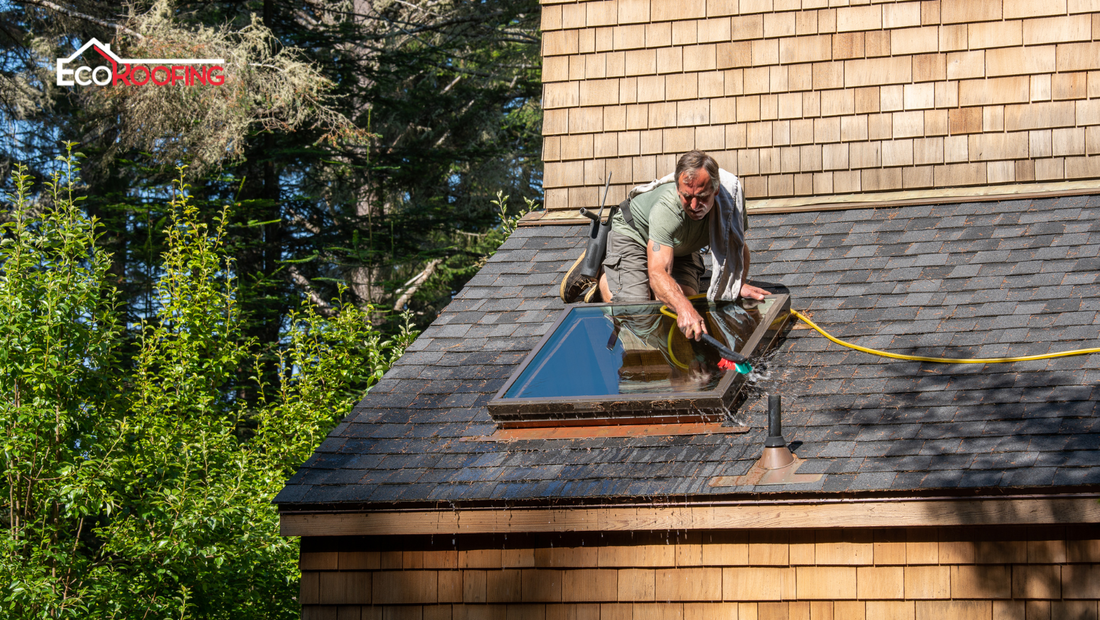
Skylights are an excellent way to introduce natural light into your home and enhance the aesthetic appeal of your living space. If you're considering installing a skylight in your roof, it's important to understand the benefits, considerations, and the professional expertise required for a successful installation. In this blog post, we'll explore the possibilities and considerations associated with installing a skylight in your roof in the Twin Cities.
Picture
  1. Natural Light: Skylights allow natural light to enter your home, creating a brighter and more inviting atmosphere. Natural light has numerous benefits, including improved mood, increased productivity, and reduced reliance on artificial lighting during the day.
  2. Energy Efficiency: Skylights can contribute to energy efficiency by reducing the need for artificial lighting during daylight hours. Properly designed and installed skylights can optimize the entry of natural light while minimizing heat gain or loss, depending on the climate.
  3. Ventilation and Fresh Air: Some skylights are designed to open, allowing for natural ventilation and fresh air circulation. This can be particularly beneficial in areas like bathrooms or kitchens, where additional airflow is desirable.
Considerations for Skylight Installation:
  1. Roof Structure and Positioning: The suitability of your roof for skylight installation depends on its structure, slope, and material. Different types of skylights require specific roof pitches and configurations. Consulting with a professional roofing contractor is essential to assess the feasibility of skylight installation and determine the optimal positioning for maximum natural light and efficient installation.
  2. Waterproofing and Flashing: Proper waterproofing and flashing around the skylight are critical to prevent water leaks and ensure the integrity of your roof. Improper installation or inadequate waterproofing can lead to water damage, mold growth, and compromised structural stability. Hiring an experienced roofing contractor with expertise in skylight installation is recommended to ensure proper sealing and weatherproofing.
  3. Energy Efficiency and Heat Gain/Loss: While skylights can enhance natural lighting, they can also impact energy efficiency. Improperly designed or installed skylights may contribute to heat gain in summer or heat loss in winter, affecting the overall energy performance of your home. Choosing energy-efficient skylights with low-E glass and proper insulation is important to mitigate these concerns.
  4. UV Protection and Glare: Skylights can bring in intense sunlight, which may lead to excessive heat, UV exposure, and glare. Select skylights with glazing options that provide UV protection and reduce glare to ensure comfortable and safe interior spaces.
  5. Professional Installation: Installing a skylight requires specialized knowledge and expertise. Improper installation can result in leaks, structural issues, or other complications. It's crucial to engage a professional roofing contractor experienced in skylight installation to ensure a proper and secure fit.
Installing a skylight in your roof can bring the beauty of natural light into your home, enhance energy efficiency, and improve the overall ambiance. However, careful consideration and professional installation are vital to ensure successful integration and avoid potential issues. Consult with a reputable roofing contractor in the Twin Cities to assess your roof's suitability, discuss your goals, and receive expert guidance on the best skylight options for your home. With professional expertise, you can enjoy the benefits of natural light while ensuring the integrity and performance of your roof.
0 Comments

The Importance of Attic Ventilation: Benefits and Considerations for Homeowners

8/25/2023

0 Comments

 
Attic ventilation is an essential aspect of maintaining a healthy and functional roofing system. While often overlooked, proper attic ventilation offers numerous benefits and helps prevent potential issues. In this blog post, we'll explore the importance of attic ventilation, its benefits, and considerations for homeowners in the Twin Cities.
Picture
The Benefits of Attic Ventilation:
  1. Moisture Control: Attic ventilation plays a vital role in managing moisture levels. It helps prevent the buildup of condensation, which can lead to mold growth, rot, and damage to the roof's structural components. Proper ventilation allows for the escape of humid air and promotes a drier environment.
  2. Temperature Regulation: Effective attic ventilation helps regulate temperatures within the attic space. During hot summers, it allows hot air to escape, reducing heat buildup and minimizing the strain on your cooling system. In colder months, ventilation helps prevent the accumulation of excess moisture and condensation, which can lead to issues like ice dams.
  3. Energy Efficiency: A well-ventilated attic can contribute to improved energy efficiency in your home. By reducing heat buildup in the attic, your cooling system can operate more efficiently, potentially lowering energy consumption and utility costs.
  4. Roof Longevity: Proper attic ventilation can help extend the lifespan of your roofing materials. Excessive heat and moisture trapped in the attic can accelerate the deterioration of roof shingles and other components. Adequate ventilation helps maintain a stable environment, reducing the risk of premature roof aging.
Considerations for Attic Ventilation:
  1. Ventilation Methods: Attic ventilation can be achieved through different methods, such as soffit vents, ridge vents, gable vents, and powered exhaust fans. The appropriate ventilation system will depend on factors like the size of the attic, local climate conditions, and the layout of your home. Consulting with a professional roofing contractor is advisable to determine the best ventilation solution for your specific needs.
  2. Proper Balance: Attic ventilation requires a balanced system that allows for the intake of fresh air and the exhaust of stale air. The balance between intake vents (typically located at the soffits) and exhaust vents (such as ridge vents or gable vents) is essential for optimal airflow. Improper balance can result in inadequate ventilation or even negative pressure, which can draw air from the living spaces of your home.
  3. Maintenance and Inspections: Regular maintenance and inspections of your attic ventilation system are crucial to ensure its effectiveness. Check for any obstructions or blockages in vents, ensure proper insulation is in place, and clear away debris or vegetation that may impede airflow. Schedule periodic inspections with a professional roofing contractor to assess the condition of your ventilation system and address any potential issues.

Attic ventilation is a vital component of a healthy and functional roofing system. It offers benefits such as moisture control, temperature regulation, energy efficiency, and extended roof longevity. Proper ventilation methods, achieving a balanced system, and regular maintenance are key considerations to ensure effective attic ventilation. Consult with a professional roofing contractor in the Twin Cities to assess your attic ventilation needs and implement the best solutions for a well-ventilated and protected home.
0 Comments

How do I prevent clogged gutters from causing roof damage?

8/23/2023

0 Comments

 
Maintaining Roof Health: Preventing Clogged Gutters and Potential Damage
​

Clogged gutters can cause significant damage to your roof and home if left unaddressed. It's essential to take proactive measures to prevent gutter clogs and ensure proper water drainage. In this blog post, we'll discuss effective ways to prevent clogged gutters and protect your roof from potential damage caused by improper water flow.
Picture
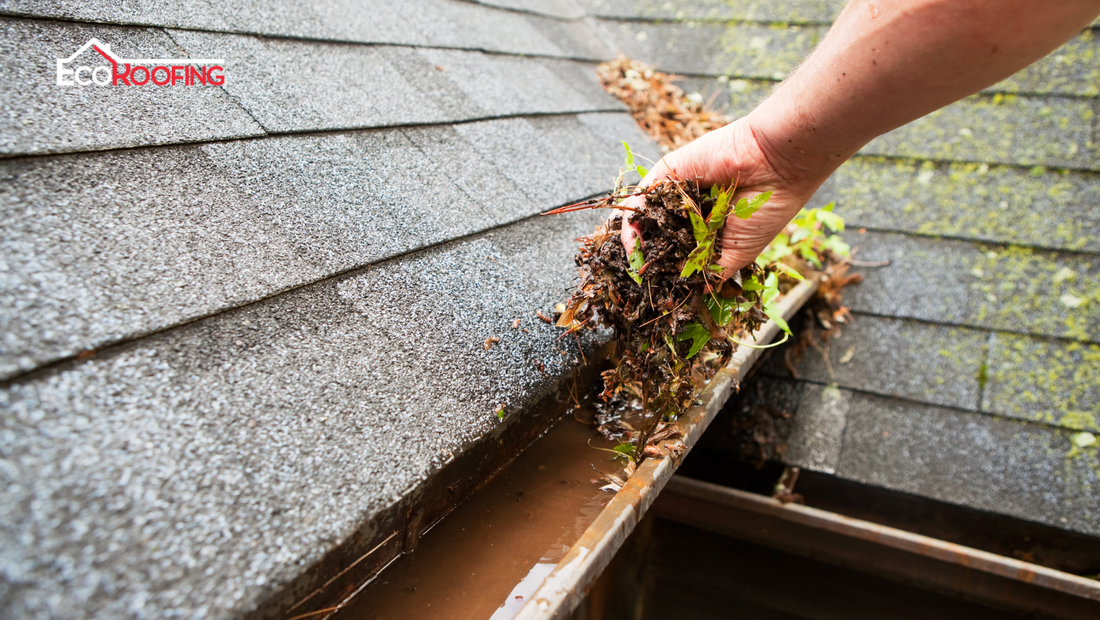
  1. Regular Gutter Cleaning: Regular gutter cleaning is crucial to prevent clogs and ensure proper water flow. Clear out leaves, twigs, debris, and any other obstructions that may accumulate in the gutters and downspouts. Aim to clean the gutters at least twice a year, in spring and fall, or more frequently if your property is prone to debris  accumulation.
  2. Install Gutter Guards:  Consider installing gutter guards or gutter covers to help prevent debris from entering the gutters. These protective systems allow water to flow freely while preventing leaves and larger debris from clogging the gutters. Gutter guards come in various styles and materials, so choose one that suits your specific needs and budget.
  3. Trim Overhanging Trees: Overhanging branches can deposit leaves and debris directly into your gutters, increasing the likelihood of clogs. Regularly trim back trees near your roof to minimize the amount of debris falling onto the roof and gutters. Consult with an arborist if necessary to ensure safe and proper tree pruning.
  4. Maintain Proper Downspout Functionality: Ensure that your downspouts are clear and free from obstructions. Use a plumber's snake or a pressure washer to remove any accumulated debris. Confirm that the downspouts direct water away from the foundation of your home, allowing for proper drainage and preventing water damage.
  5. Regular Roof Inspections: Perform regular roof inspections to identify any signs of gutter-related issues or potential damage. Look for water stains, discoloration, or mold growth on the exterior walls, as these can indicate improper water drainage due to clogged gutters. Address any issues promptly to prevent further damage.
  6. Professional Maintenance: Consider hiring a professional roofing contractor for periodic gutter maintenance and inspections. They have the expertise and equipment to clean, repair, and maintain your gutters effectively. A professional inspection can identify potential problems early on and provide appropriate solutions to protect your roof.
Preventing clogged gutters is essential for maintaining a healthy roof and protecting your home from potential water damage. Regular gutter cleaning, installing gutter guards, trimming overhanging trees, maintaining downspout functionality, conducting roof inspections, and seeking professional maintenance are all effective ways to prevent clogs and ensure proper water flow. By taking proactive measures, you can safeguard your roof and preserve the integrity of your home, ensuring a reliable and durable roofing system in the Twin Cities.
0 Comments

Can I install a new roof over my existing roof?

8/21/2023

0 Comments

 
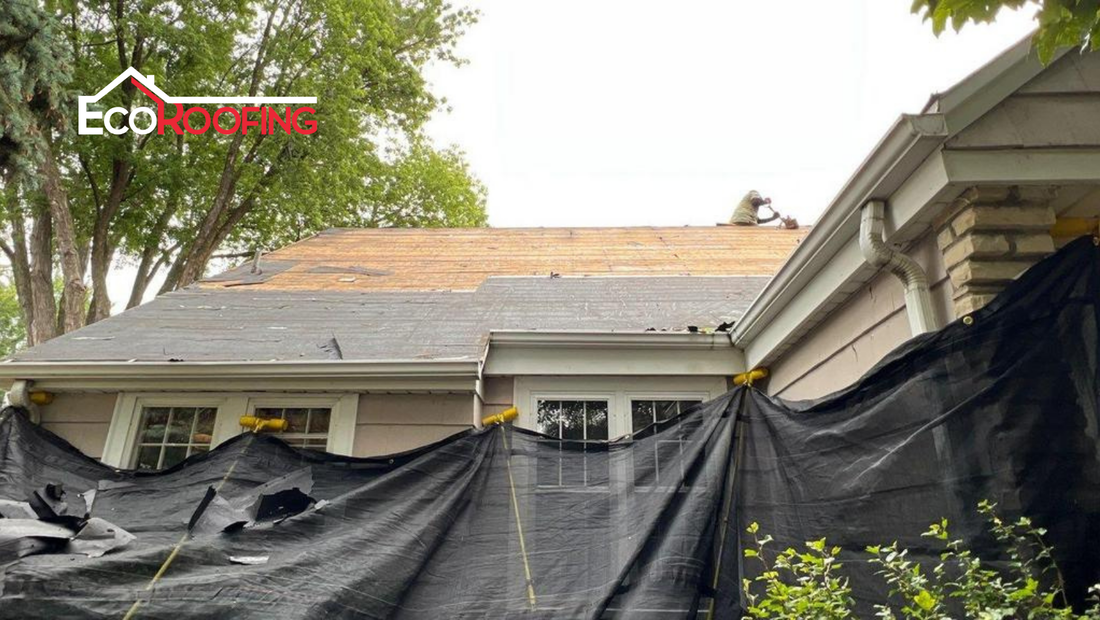
When contemplating a roof replacement, some homeowners consider the option of installing a new roof over the existing one to save time and money. However, it's important to understand that this approach may not be the most suitable or recommended solution. In this blog post, we'll explore why installing a new roof over an existing one may not be a good idea and why it's beneficial to consult with a professional roofing contractor like Ecoroofing for proper roof replacement.
Picture
  1. Building Code Compliance: Installing a new roof over an existing one may not comply with local building codes and regulations. Building codes often specify the maximum number of roof layers allowed for safety and structural integrity reasons. Adding another layer of roofing material can exceed these limits, potentially compromising the overall structure of the roof.
  2. Weight and Structural Concerns: Overlaying a new roof adds significant weight to the existing structure. The original roof may not have been designed to support the additional load, potentially leading to structural issues. It's crucial to assess the structural integrity of the roof before proceeding with any roof replacement to ensure it can support the weight of a new roof.
  3. Concealing Existing Problems: Installing a new roof over an existing one can mask underlying issues that may exist in the old roof, such as rot, leaks, or damaged decking. By covering these problems without addressing them directly, you risk exacerbating the damage and incurring more extensive repairs in the future.
  4. Decreased Lifespan: Layering roofs can affect the longevity of the new roof. Underlying issues from the existing roof, such as trapped moisture or inadequate ventilation, can transfer to the new roof and shorten its lifespan. A complete tear-off and replacement allow for a thorough inspection, repair of underlying problems, and proper installation of a new roof for optimal durability.
  5. Visual Impact and Aesthetics: Overlaying a new roof can result in a roofline that appears thicker or uneven, especially if different roofing materials are used. This can impact the overall aesthetics and curb appeal of your home. A full roof replacement allows for a fresh, uniform appearance that enhances the visual appeal of your property.

Consult with Ecoroofing for Proper Roof Replacement:

To ensure a successful roof replacement, it's crucial to consult with a professional roofing contractor like Ecoroofing. Our experienced team will conduct a thorough assessment of your existing roof, evaluate structural integrity, and provide expert guidance on the most appropriate course of action for your specific situation. We adhere to local building codes and prioritize safety and quality in all our roofing projects.
​
Installing a new roof over an existing one may not be the best solution due to potential building code violations, weight and structural concerns, concealed underlying problems, decreased lifespan, and visual impact. To ensure a safe and effective roof replacement, consult with a professional roofing contractor like Ecoroofing. We will assess your roof's condition, recommend the most suitable course of action, and provide quality workmanship for a durable and visually appealing roof in the Twin Cities.
0 Comments

How do I know if my roof has hail damage?

8/18/2023

1 Comment

 
Detecting Hail Damage on Your Roof: Signs to Look For and Expert Assistance
Picture
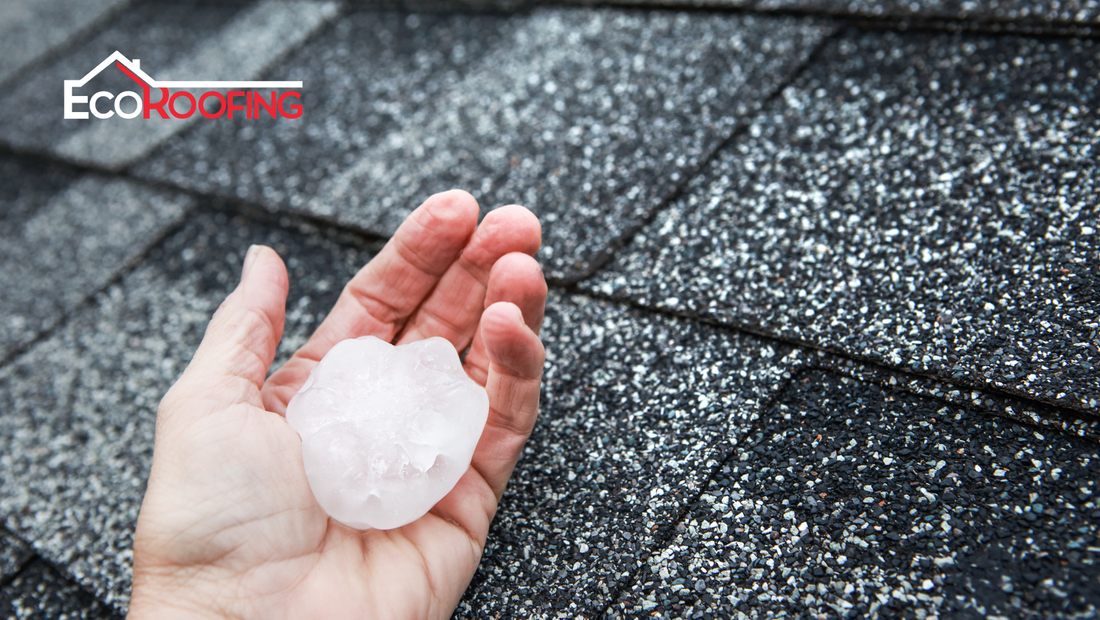
Hailstorms can wreak havoc on roofs, causing significant damage that may not always be immediately apparent. Detecting hail damage is crucial to ensure timely repairs and prevent further issues. In this blog post, we'll explore the signs of hail damage on roofs and the importance of seeking professional assistance, such as Ecoroofing, for a thorough inspection and expert guidance.
​
Picture
Detecting Hail Damage on Your Roof:
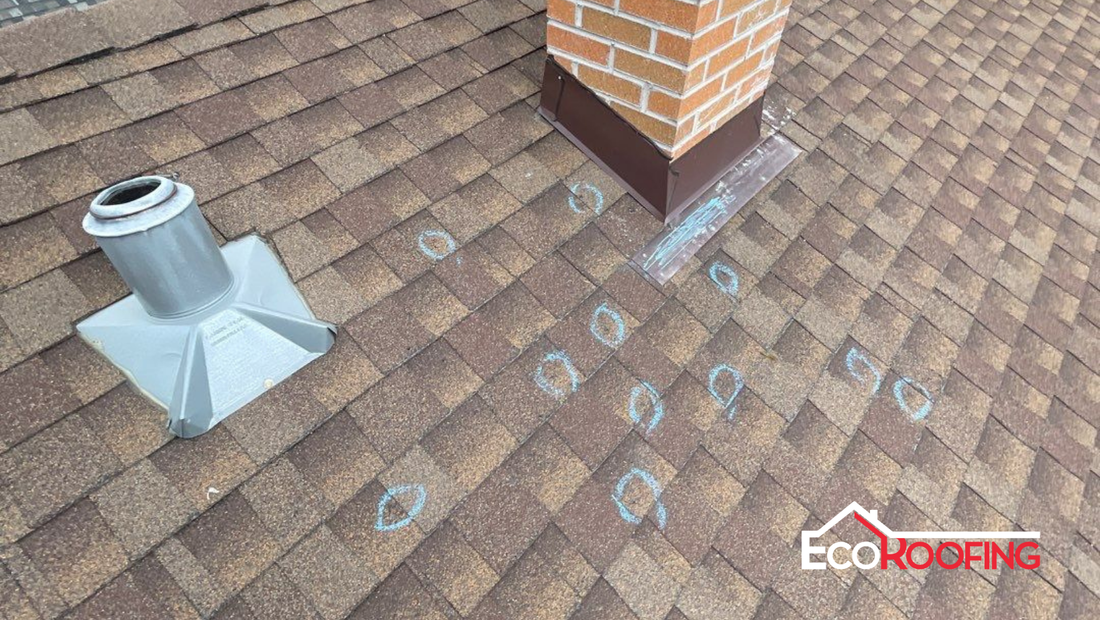
  1. Visible Dents or Pockmarks: Inspect your roof for visible signs of dents, pockmarks, or depressions. Hail impact can leave distinct marks on certain roofing materials, such as asphalt shingles, metal, or clay tiles. Look for irregular patterns or areas where the surface appears damaged.
  2. Granule Loss: Examine the gutters, downspouts, and the ground around your home for excessive granule loss from asphalt shingles. Hail can dislodge granules, which may accumulate in these areas or appear as bare patches on the shingles themselves. Granule loss can compromise the protective layer of the shingles.
  3. Cracked or Split Shingles: Hail impact can cause shingles to crack or split. Inspect your roof for any visible signs of damage, such as shingles with visible cracks or fractures. Pay attention to edges and corners, as they are more susceptible to damage.
  4. Displaced or Damaged Flashing: Flashing, which seals vulnerable areas of the roof, can be damaged by hail impact. Inspect flashing around chimneys, vents, and skylights for signs of displacement, cracks, or other visible damage.
  5. Leaks or Water Stains: Hail damage can compromise the integrity of your roof, leading to leaks or water stains on the ceilings or walls inside your home. If you notice any water-related issues after a hailstorm, it could indicate damage to your roof that needs immediate attention.
Detecting hail damage on your roof is essential to address issues promptly and prevent further damage. Look for visible signs such as dents, granule loss, cracked shingles, displaced flashing, and interior water-related issues. To ensure an accurate assessment and expert guidance, it is recommended to seek professional assistance from reputable roofing contractors like Ecoroofing. Take advantage of Ecoroofing's free roof inspection service to identify hail damage and access their expertise in working with insurance companies. By addressing hail damage promptly, you can protect your home and ensure the longevity of your roof in the Twin Cities.
1 Comment

What are the advantages and disadvantages of asphalt shingles?

8/16/2023

0 Comments

 
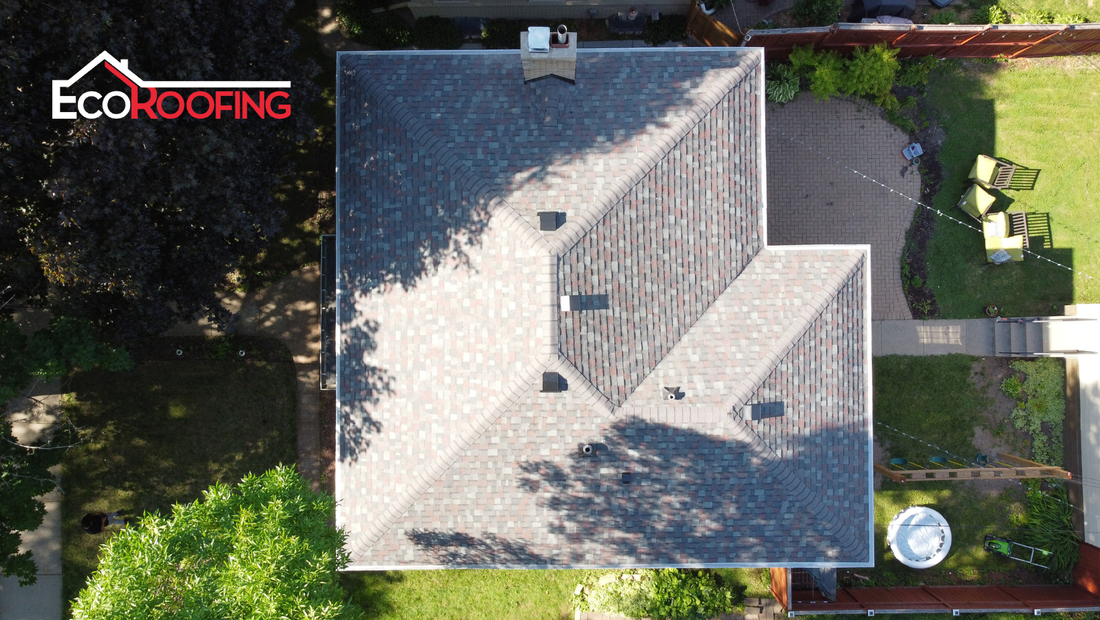
Asphalt shingles are one of the most popular roofing materials used in the Twin Cities and across the United States. They offer a range of benefits, including affordability, durability, and ease of installation. However, it's important to understand both the advantages and disadvantages of asphalt shingles to make an informed decision for your roofing needs. In this blog post, we'll explore the pros and cons of asphalt shingles.
Picture
Advantages of Asphalt Shingles:
  1. Affordability: Asphalt shingles are one of the most cost-effective roofing materials available, making them a popular choice for budget-conscious homeowners. They offer a good balance between cost and durability.
  2. Wide Variety of Styles: Asphalt shingles come in a wide range of colors, textures, and styles, allowing homeowners to find the perfect match for their architectural preferences. This versatility makes them suitable for various home designs.
  3. Easy Installation: Asphalt shingles are relatively easy to install, especially compared to other roofing materials. This can result in reduced labor costs and faster project completion times.
  4. Durability: High-quality asphalt shingles can provide good durability and weather resistance, with a typical lifespan of 20 to 30 years. They can withstand various weather conditions, including wind, rain, and moderate hail.
  5. Low Maintenance: Asphalt shingles require minimal maintenance. Regular inspections and basic upkeep, such as clearing debris and keeping gutters clean, can help prolong their lifespan.
  6. Fire Resistance: Many asphalt shingles are designed to provide a level of fire resistance, which can provide added safety and peace of mind.
Picture

Disadvantages of Asphalt Shingles:
  1. Vulnerability to Extreme Weather: While asphalt shingles are generally durable, they may be susceptible to damage in extreme weather conditions, such as heavy storms, strong winds, or severe hail. Impact resistance can vary depending on the quality and thickness of the shingles.
  2. Limited Lifespan: Although asphalt shingles have a decent lifespan, they typically have a shorter lifespan compared to some other roofing materials, such as metal or tile.
  3. Environmental Impact: Asphalt shingles are petroleum-based products, which raises concerns about their environmental impact. However, efforts have been made to recycle asphalt shingles, with some companies offering recycling programs.
  4. Potential Color Fading: Over time, some asphalt shingles may experience color fading due to exposure to UV rays. This aesthetic change may not affect their functionality, but it can impact the appearance of the roof.
  5. Not as Energy Efficient: Compared to some other roofing materials, such as metal or clay tiles, asphalt shingles are not as energy efficient. They may absorb and retain more heat, potentially leading to increased cooling needs during hot summers.
Asphalt shingles offer several advantages, including affordability, versatility in styles, ease of installation, and durability. However, it's important to consider the disadvantages, such as vulnerability to extreme weather, limited lifespan, potential environmental impact, color fading, and lower energy efficiency compared to some alternatives. By weighing the pros and cons and considering your specific needs, budget, and climate, you can make an informed decision about whether asphalt shingles are the right roofing choice for your home in the Twin Cities.
0 Comments

Embracing Eco-Friendly Roofing in the Twin Cities: Sustainable Choices for a Greener Future

8/14/2023

0 Comments

 
As environmental consciousness grows, homeowners in the Twin Cities are increasingly seeking eco-friendly roofing options. These choices not only contribute to sustainability but also offer long-term benefits in energy efficiency and reduced environmental impact. In this blog post, we'll explore the availability of eco-friendly roofing options in the Twin Cities, with a special focus on the sustainable features of Malarkey brand shingles and how Ecoroofing incorporates them into their environmentally responsible practices.
Picture
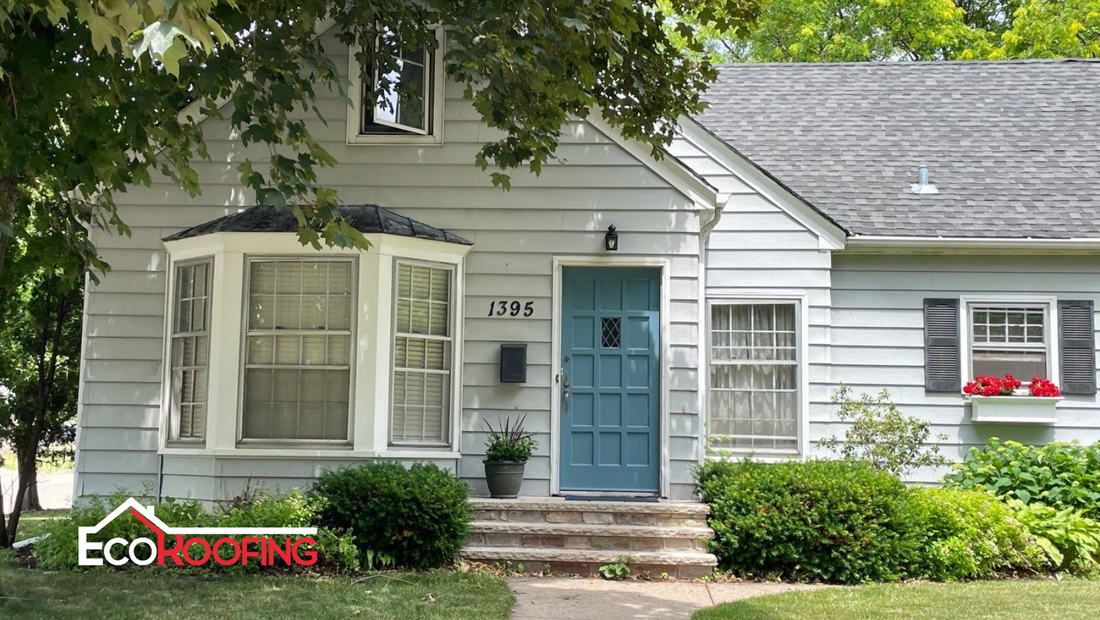
Malarkey Brand Shingles: Malarkey is a leading brand known for its commitment to sustainable roofing solutions. They prioritize responsible manufacturing processes and incorporate recycled materials into their shingles. Malarkey shingles offer excellent durability, energy efficiency, and a range of styles to suit different architectural preferences. Their eco-friendly features make them an attractive choice for homeowners looking to reduce their environmental footprint.
Picture

Ecoroofing and Malarkey Shingles:

  1. Sustainable Material Selection: Ecoroofing, a reputable roofing contractor in the Twin Cities, recognizes the importance of eco-friendly roofing solutions. That's why they have partnered with Malarkey and utilize their sustainable shingles in their projects. By choosing Malarkey shingles, Ecoroofing ensures that homeowners have access to durable, energy-efficient, and environmentally responsible roofing options.
  2. Energy Efficiency: Malarkey shingles incorporate innovative technologies that enhance energy efficiency. They feature reflective granules that reduce heat absorption, helping to keep homes cooler during hot summers. By minimizing heat transfer, these shingles can potentially lower cooling costs and reduce the energy demands of air conditioning systems, making them an eco-conscious choice.
  3. Roof Longevity: Eco-friendly roofing options, such as Malarkey shingles, are designed to provide long-lasting performance. Their durability ensures that roofs last for years, reducing the need for frequent replacements and minimizing waste generation. By investing in a quality roof with sustainable materials, homeowners contribute to a more sustainable future.
  4. Environmental Stewardship: Ecoroofing takes its commitment to environmental stewardship a step further. For every full roof replacement, they partner with the non-profit organization "One Tree Planted" to plant 100 trees. This initiative helps combat deforestation and supports reforestation efforts around the world, further offsetting the environmental impact of roofing projects.
The Twin Cities offer eco-friendly roofing options for homeowners seeking sustainable solutions. Malarkey brand shingles stand out as an environmentally responsible choice, known for their durability, energy efficiency, and commitment to using recycled materials. By partnering with Malarkey, Ecoroofing ensures that homeowners in the Twin Cities have access to these sustainable roofing options. Additionally, Ecoroofing's partnership with "One Tree Planted" exemplifies their dedication to environmental stewardship. By choosing eco-friendly roofing materials and supporting reforestation efforts, homeowners can contribute to a greener future while enjoying the benefits of a durable and energy-efficient roof.
0 Comments

Does my homeowner's insurance cover roof repairs or replacement?

8/11/2023

0 Comments

 
When it comes to roof repairs or replacement, many homeowners wonder if their homeowner's insurance will provide coverage. Homeowner's insurance policies typically offer protection for various types of damage, including damage to roofs. In this blog post, we'll explore the factors that determine whether your homeowner's insurance covers roof repairs or replacement, helping you understand the potential coverage available to you.
  1. Covered Perils: Homeowner's insurance typically covers damage caused by specific perils outlined in the policy. Common covered perils include storms, fire, vandalism, and certain types of water damage. If your roof sustains damage from a covered peril, your homeowner's insurance policy may provide coverage for repairs or replacement, subject to policy terms and deductibles.
  2. Policy Coverage and Limits: Review your homeowner's insurance policy to understand the specific coverage and limits related to roof repairs or replacement. Policies may differ, so it's essential to know the details of your own policy. Look for information regarding roof coverage, deductibles, coverage limits, and any exclusions that may apply.
  3. Age and Condition of the Roof: Insurers consider the age and condition of the roof when determining coverage. If your roof is old or poorly maintained, it may affect the coverage available to you. Some policies may exclude coverage for roofs beyond a certain age, while others may require documentation of regular maintenance to qualify for coverage.
  4. Deductibles: Homeowner's insurance policies typically have deductibles, which are the out-of-pocket expenses you must pay before your coverage kicks in. Familiarize yourself with the deductible amount specified in your policy, as it will affect the amount of coverage you receive for roof repairs or replacement.
  5. Exclusions: It's important to be aware of any exclusions related to roof damage in your homeowner's insurance policy. Common exclusions may include normal wear and tear, neglect, or damage resulting from lack of maintenance. Understanding these exclusions will help you manage your expectations regarding coverage.
  6. Documenting Damage and Filing Claims: If your roof sustains damage, Contact Ecoroofing to do a professional roof inspection. We will document the extent of the damage with and inspection, photographs and detailed notes. Contact your insurance provider to report the damage and initiate the claims process. Contact Ecoroofing for guidelines and supporting evidence to ensure a smooth and timely claims resolution.
Homeowner's insurance coverage for roof repairs or replacement depends on various factors, including covered perils, policy terms, deductibles, age and condition of the roof, and any specific endorsements or exclusions. Review your policy, understand the coverage and limits, and consult with your insurance provider to clarify any uncertainties. In the event of roof damage, document the damage and promptly file a claim following the insurer's guidelines. Being informed about your homeowner's insurance coverage will help you navigate the process and make informed decisions regarding roof repairs or replacement.


How do I choose a reputable roofing contractor? blog
ChatGPTTitle: Choosing a Reputable Roofing Contractor: Your Guide to Quality and Trust
Introduction: Selecting a reputable roofing contractor is crucial to ensure a successful roofing project and peace of mind. With numerous contractors available, it can be overwhelming to determine which one to trust with your home. In this blog post, we'll provide a comprehensive guide to help you choose a reputable roofing contractor that meets your needs and delivers exceptional results.
  1. Research and Recommendations: Start by conducting thorough research and seeking recommendations from trusted sources. Ask friends, family, and neighbors for referrals based on their personal experiences with roofing contractors. Additionally, utilize online platforms, review websites, and social media to gather a list of reputable contractors in your area.
  2. Credentials and Licensing: Ensure that the roofing contractor you consider is properly licensed and insured. Valid licensing demonstrates that the contractor meets the necessary requirements and adheres to local regulations. Insurance coverage protects you from liability in case of accidents or property damage during the project. Ask the contractor to provide proof of licensing and insurance before moving forward.
  3. Experience and Expertise: Evaluate the contractor's experience and expertise in the roofing industry. Look for a contractor with a proven track record and a substantial portfolio of successful projects. An experienced contractor will have the knowledge and skills to handle various roofing systems, materials, and potential challenges that may arise during the project.
  4. Reputation and Reviews: Examine the contractor's reputation and customer reviews. Check online review platforms and the contractor's website for testimonials from previous customers. A reputable contractor will have positive reviews, highlighting their professionalism, quality of work, communication, and customer service. Be cautious of contractors with consistently negative reviews or a lack of reviews.
  5. Manufacturer Certifications: Consider contractors who hold manufacturer certifications. These certifications indicate that the contractor has met specific requirements and received training from the manufacturer. Certification by reputable roofing material manufacturers demonstrates the contractor's commitment to quality and expertise in installing their products.
  6. Written Estimates and Contracts: Obtain written estimates from multiple contractors to compare costs and services. A detailed estimate should include the scope of work, materials, labor, timeline, and payment terms. Ensure that all verbal agreements and promises are documented in a written contract. Carefully review the contract before signing, clarifying any unclear terms or conditions.
  7. Warranty and After-Sales Support: Inquire about the warranty offered by the contractor. Reputable contractors stand behind their workmanship and provide warranties that cover installation and potential defects. Understand the warranty terms, duration, and any limitations or exclusions. Additionally, consider the contractor's after-sales support, as reliable contractors are responsive and address any concerns promptly.
  8. Communication and Professionalism: Pay attention to the contractor's communication and professionalism throughout the initial interactions. A reputable contractor will be responsive, transparent, and willing to answer your questions. They will provide clear explanations, offer recommendations, and keep you informed throughout the project. Effective communication and professionalism are key indicators of a reputable contractor.
Homeowner's insurance coverage for roof repairs or replacement depends on various factors, including covered perils, policy terms, deductibles, age and condition of the roof, and any specific endorsements or exclusions. Review your policy, understand the coverage and limits, and consult with your insurance provider to clarify any uncertainties. In the event of roof damage, document the damage and promptly file a claim following the insurer's guidelines. Being informed about your homeowner's insurance coverage will help you navigate the process and make informed decisions regarding roof repairs or replacement.


How do I choose a reputable roofing contractor? blog
ChatGPTTitle: Choosing a Reputable Roofing Contractor: Your Guide to Quality and Trust
Introduction: Selecting a reputable roofing contractor is crucial to ensure a successful roofing project and peace of mind. With numerous contractors available, it can be overwhelming to determine which one to trust with your home. In this blog post, we'll provide a comprehensive guide to help you choose a reputable roofing contractor that meets your needs and delivers exceptional results.
  1. Research and Recommendations: Start by conducting thorough research and seeking recommendations from trusted sources. Ask friends, family, and neighbors for referrals based on their personal experiences with roofing contractors. Additionally, utilize online platforms, review websites, and social media to gather a list of reputable contractors in your area.
  2. Credentials and Licensing: Ensure that the roofing contractor you consider is properly licensed and insured. Valid licensing demonstrates that the contractor meets the necessary requirements and adheres to local regulations. Insurance coverage protects you from liability in case of accidents or property damage during the project. Ask the contractor to provide proof of licensing and insurance before moving forward.
  3. Experience and Expertise: Evaluate the contractor's experience and expertise in the roofing industry. Look for a contractor with a proven track record and a substantial portfolio of successful projects. An experienced contractor will have the knowledge and skills to handle various roofing systems, materials, and potential challenges that may arise during the project.
  4. Reputation and Reviews: Examine the contractor's reputation and customer reviews. Check online review platforms and the contractor's website for testimonials from previous customers. A reputable contractor will have positive reviews, highlighting their professionalism, quality of work, communication, and customer service. Be cautious of contractors with consistently negative reviews or a lack of reviews.
  5. Manufacturer Certifications: Consider contractors who hold manufacturer certifications. These certifications indicate that the contractor has met specific requirements and received training from the manufacturer. Certification by reputable roofing material manufacturers demonstrates the contractor's commitment to quality and expertise in installing their products.
  6. Written Estimates and Contracts: Obtain written estimates from multiple contractors to compare costs and services. A detailed estimate should include the scope of work, materials, labor, timeline, and payment terms. Ensure that all verbal agreements and promises are documented in a written contract. Carefully review the contract before signing, clarifying any unclear terms or conditions.
  7. Warranty and After-Sales Support: Inquire about the warranty offered by the contractor. Reputable contractors stand behind their workmanship and provide warranties that cover installation and potential defects. Understand the warranty terms, duration, and any limitations or exclusions. Additionally, consider the contractor's after-sales support, as reliable contractors are responsive and address any concerns promptly.
  8. Communication and Professionalism: Pay attention to the contractor's communication and professionalism throughout the initial interactions. A reputable contractor will be responsive, transparent, and willing to answer your questions. They will provide clear explanations, offer recommendations, and keep you informed throughout the project. Effective communication and professionalism are key indicators of a reputable contractor.
​Homeowner's insurance coverage for roof repairs or replacement depends on various factors, including covered perils, policy terms, deductibles, age and condition of the roof, and any specific endorsements or exclusions. Review your policy, understand the coverage and limits, and consult with your insurance provider to clarify any uncertainties. In the event of roof damage, Contact EcoRoofing, we can help address the damage, document the damage and recommend you file a claim or not. Being informed about your homeowner's insurance coverage will help you navigate the process. 
0 Comments

Choosing a Reputable Roofing Contractor: Your Guide to Quality and Trust

8/9/2023

0 Comments

 
Selecting a reputable roofing contractor is crucial to ensure a successful roofing project and peace of mind. With numerous contractors available, it can be overwhelming to determine which one to trust with your home. In this blog post, we'll provide a comprehensive guide to help you choose a reputable roofing contractor that meets your needs and delivers exceptional results.
Picture
  1. Research and Recommendations: Start by conducting thorough research and seeking recommendations from trusted sources. Ask friends, family, and neighbors for referrals based on their personal experiences with roofing contractors. Additionally, utilize online platforms, review websites, and social media to gather a list of reputable contractors in your area.
  2. Credentials and Licensing: Ensure that the roofing contractor you consider is properly licensed and insured. Valid licensing demonstrates that the contractor meets the necessary requirements and adheres to local regulations. Insurance coverage protects you from liability in case of accidents or property damage during the project. Ask the contractor to provide proof of licensing and insurance before moving forward.
  3. Experience and Expertise: Evaluate the contractor's experience and expertise in the roofing industry. Look for a contractor with a proven track record and a substantial portfolio of successful projects. An experienced contractor will have the knowledge and skills to handle various roofing systems, materials, and potential challenges that may arise during the project.
  4. Reputation and Reviews: Examine the contractor's reputation and customer reviews. Check online review platforms and the contractor's website for testimonials from previous customers. A reputable contractor will have positive reviews, highlighting their professionalism, quality of work, communication, and customer service. Be cautious of contractors with consistently negative reviews or a lack of reviews.
  5. Manufacturer Certifications: Consider contractors who hold manufacturer certifications. These certifications indicate that the contractor has met specific requirements and received training from the manufacturer. Certification by reputable roofing material manufacturers demonstrates the contractor's commitment to quality and expertise in installing their products.
  6. Written Estimates and Contracts: Obtain written estimates from multiple contractors to compare costs and services. A detailed estimate should include the scope of work, materials, labor, timeline, and payment terms. Ensure that all verbal agreements and promises are documented in a written contract. Carefully review the contract before signing, clarifying any unclear terms or conditions.
  7. Warranty and After-Sales Support: Inquire about the warranty offered by the contractor. Reputable contractors stand behind their workmanship and provide warranties that cover installation and potential defects. Understand the warranty terms, duration, and any limitations or exclusions. Additionally, consider the contractor's after-sales support, as reliable contractors are responsive and address any concerns promptly.
  8. Communication and Professionalism: Pay attention to the contractor's communication and professionalism throughout the initial interactions. A reputable contractor will be responsive, transparent, and willing to answer your questions. They will provide clear explanations, offer recommendations, and keep you informed throughout the project. Effective communication and professionalism are key indicators of a reputable contractor.

Why Choose EcoRoofing 

  1. Experience and Longevity: Look for roofing contractors with a proven track record and a substantial history in the industry. Ecoroofing stands out with over 10 years of experience in serving the Twin Cities area. Our longevity speaks to our expertise, reliability, and commitment to delivering quality workmanship.
  2. Reputation and Customer Reviews: A reputable roofing contractor will have a strong reputation and positive customer reviews. Ecoroofing boasts a stellar reputation, reflected in our 4.8-star rating on Google with over 100+ reviews. These testimonials from satisfied customers attest to our professionalism, attention to detail, and exceptional customer service.
  3. Certifications and Partnerships: Choose a roofing contractor that holds certifications and partnerships with renowned manufacturers. Ecoroofing proudly carries certifications as a preferred contractor for Owens Corning, IKO, and GAF. These certifications highlight our commitment to using top-quality materials and following industry best practices, ensuring that your roof meets the highest standards of excellence.
  4. BBB Accreditation: The Better Business Bureau (BBB) accreditation signifies a commitment to ethical business practices and customer satisfaction. Ecoroofing maintains an A+ rating with the BBB, demonstrating our dedication to transparency, integrity, and resolving any customer concerns promptly and effectively.
  5. Community Involvement and Sustainability: Beyond providing exceptional roofing services, choose a contractor that gives back to the community and prioritizes environmental sustainability. Ecoroofing proudly donates 100 trees for every roof installed, contributing to a greener Twin Cities. This commitment to environmental responsibility showcases our dedication to both our customers and the broader community
Picture
0 Comments
<<Previous

    Archives

    October 2023
    September 2023
    August 2023
    July 2023
    June 2015

    RSS Feed

OUR COMPANY


Home
Frequently Asked Questions
Financing
​
Partner
Contact Us
Picture

MN LIC#CR681753

SERVICES​


Roofing Services
Siding Services
GAF Timberline™ Shingle Products
Storm Damage Reparation
Gallery

​SOCIAL


Hours of Operation:
Monday - Saturday: 6 am - 9 pm
Sunday: 8 am - 6 pm
Picture
Picture
Picture
Picture
Picture
Picture

  • Privacy Policy
    EcoRoofing respects your privacy and is committed to protecting the personal information you share with us. This Privacy Policy explains how we collect, use, and safeguard your information and outlines your choices regarding your data. By using our services or interacting with our website, you consent to the terms of this policy.
  • The following Trademarks: Owens Corning™, SureNail® Technology, Duration®, Duration STORM® Triple Layer Protection®, WeatherGuard®, TruBond® & TruDefinition® are all registered Trademarks of Owens Corning® http://www.owenscorning.com/. 
2024 All Rights Reserved. EcoRoofing MN, Residential Roofing Company
2885 Country Drive Suite 110 Saint Paul, MN 55117  |  (651) 797.8621
  • Home
  • Roofing
    • Roofing Services
    • Storm Damage Reparation
    • Products
  • Financing
  • About
    • Team
    • Philanthropy
    • FAQ
    • Blog
  • Gallery
  • Contact
  • Privacy Policy